




What's Happening?
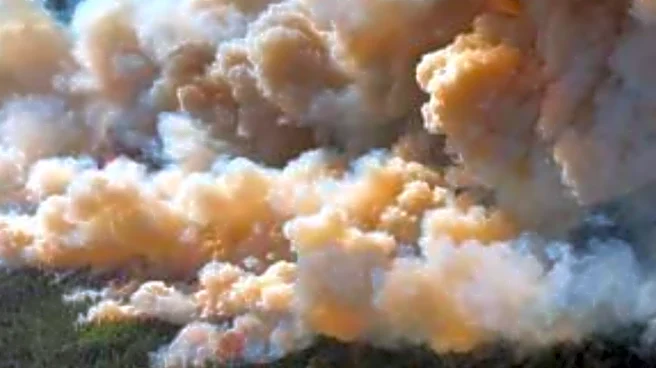
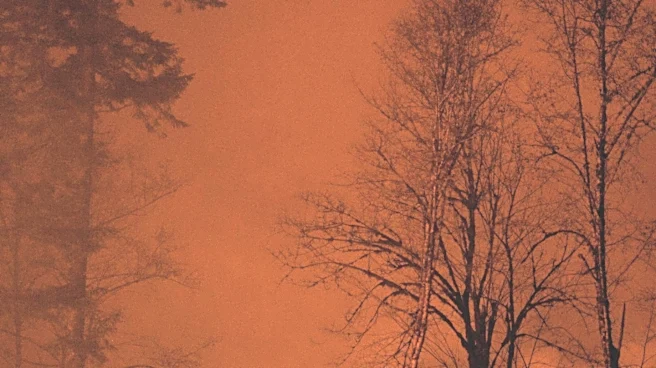
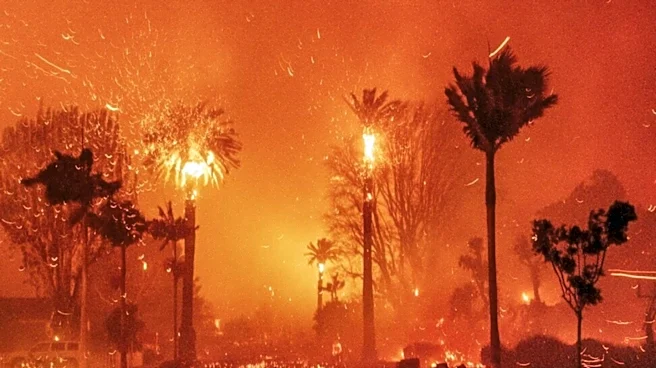
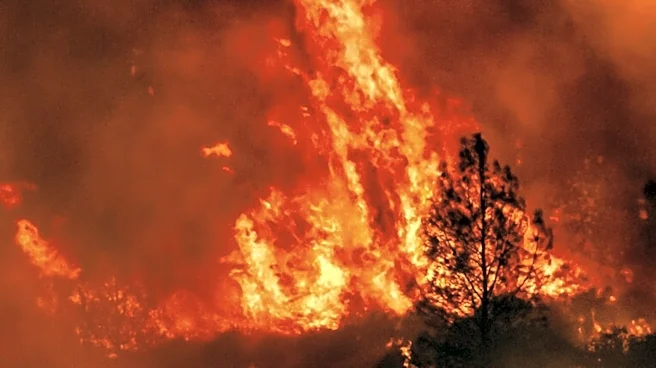
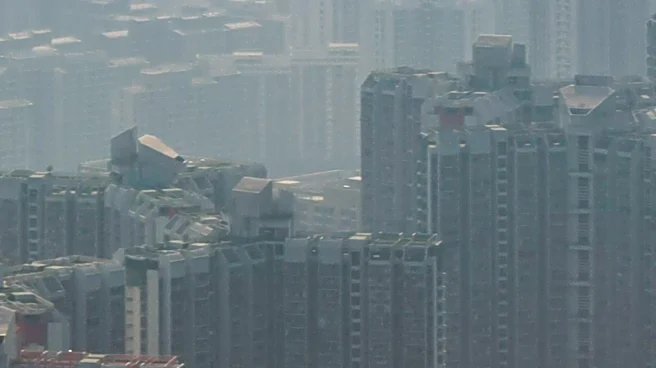
Thick smoke from Canadian wildfires is affecting air quality in major U.S. cities across the Great Lakes, Northeast, and Mid-Atlantic regions. Over 100 million people are under air quality alerts, with warnings that even healthy adults may experience
health effects. The smoke is being carried south by wind patterns, with the Washington, D.C. area currently experiencing the worst conditions. Relief is expected as rain and storms are forecasted to help clear the air. The smoke contains PM2.5 pollutants, which can cause respiratory issues and exacerbate existing health conditions.
Why It's Important?
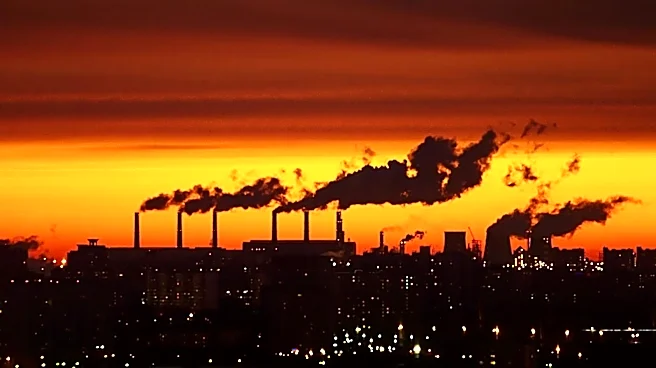
The influx of smoke from Canadian wildfires highlights the growing impact of climate change on air quality in the U.S. The increase in wildfire activity and the resulting smoke have reversed decades of air quality improvements, particularly in the western U.S. The health implications are significant, as PM2.5 pollutants can lead to serious respiratory and cardiovascular issues. Vulnerable populations, including those with pre-existing health conditions, children, and the elderly, are at heightened risk. The situation underscores the need for robust climate policies to mitigate future wildfire risks and protect public health.
What's Next?
As the wildfire season continues, there is potential for more smoke plumes to affect U.S. air quality. The current weather patterns, including a heat dome over the central U.S., are conducive to further smoke migration from Canada. Monitoring and forecasting efforts will be crucial in providing timely warnings to affected regions. Additionally, there may be increased pressure on policymakers to address the root causes of climate change and implement measures to reduce wildfire risks and improve air quality standards.