


What's Happening?
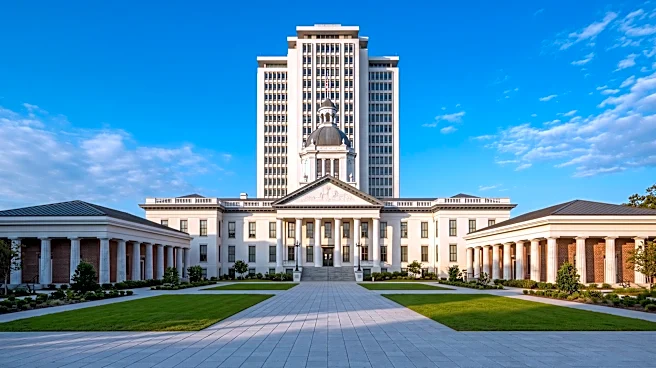
Florida is currently experiencing a debate over who should control the state's nearly $1.4 billion annual tourist development tax (TDT) revenue. Currently, state lawmakers in Tallahassee dictate the rules for how this money can be used, including mandating
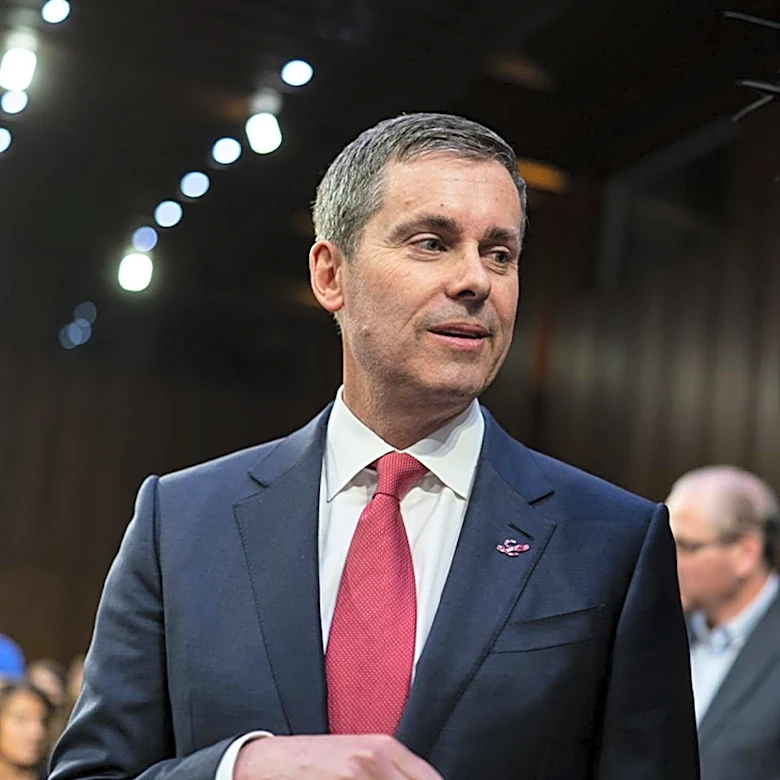
specific spending on tourism advertising and promotion for local governments to qualify for funding. However, there's a growing movement advocating for greater local control over these funds. District 5 Orange County Commissioner Kelly Semrad has renewed calls for local communities to have more flexibility in how these 'people's dollars' are spent. This push is supported by examples from cities like Las Vegas, where tourism revenue can be allocated to broader infrastructure and services that benefit both visitors and residents, such as roads and water systems. The Florida tourism lobby has largely opposed these changes, preferring the current state-controlled system.
Why It's Important?
The debate over Florida's tourism tax dollars carries significant implications for local governance, public services, and economic development within the state. Granting local control could empower communities to address pressing needs beyond tourism promotion, such as improving infrastructure, funding education, or bolstering emergency reserves. For instance, Democratic candidate David Jolly proposed using tourism tax revenue to create a catastrophe fund and increase teacher salaries, highlighting potential benefits for residents. Conversely, critics like Republican candidate Byron Donalds argue that such changes, particularly the creation of a catastrophe fund, could be perceived as a 'hurricane tax' and potentially increase costs for homeowners by shifting insurance burdens. The outcome of this debate will determine whether Florida's substantial tourism revenue primarily serves the tourism industry or is diversified to support a wider range of public services and community development initiatives, impacting the quality of life for residents and the state's overall economic resilience.
What's Next?
The discussion surrounding the control of Florida's tourism tax dollars is expected to continue, particularly as the governor's race progresses and local officials maintain their advocacy for greater autonomy. The proposals from candidates like David Jolly, suggesting the use of TDT for a catastrophe fund and teacher pay raises, indicate that this issue will remain a prominent topic in political discourse. The strong opposition from the Florida tourism lobby suggests that any significant shift towards local control will likely face considerable resistance. Future legislative sessions may see new bills introduced to amend the rules governing TDT allocation, potentially leading to further public debate and lobbying efforts. The ongoing disagreement between local officials and state leaders over the primary purpose of these funds—whether solely for tourism promotion or for broader community benefit—will shape the legislative agenda and public discussion in the coming months.
Beyond the Headlines
Beyond the immediate financial implications, the debate over Florida's tourism tax dollars touches upon fundamental questions of local autonomy versus centralized state control. It highlights the tension between economic development strategies focused on a single industry and the broader needs of a growing population. The current system, which heavily favors tourism promotion, reflects a long-standing policy choice to prioritize the industry that drives a significant portion of the state's economy. However, the push for local control suggests a growing recognition that the benefits of tourism revenue could be more equitably distributed to address diverse community challenges. This discussion could set a precedent for how other states with significant industry-specific tax revenues manage their funds, potentially influencing policy debates on resource allocation and local empowerment across the U.S. It also raises ethical considerations about who ultimately benefits from public funds generated by a state's natural and cultural attractions.