








What's Happening?
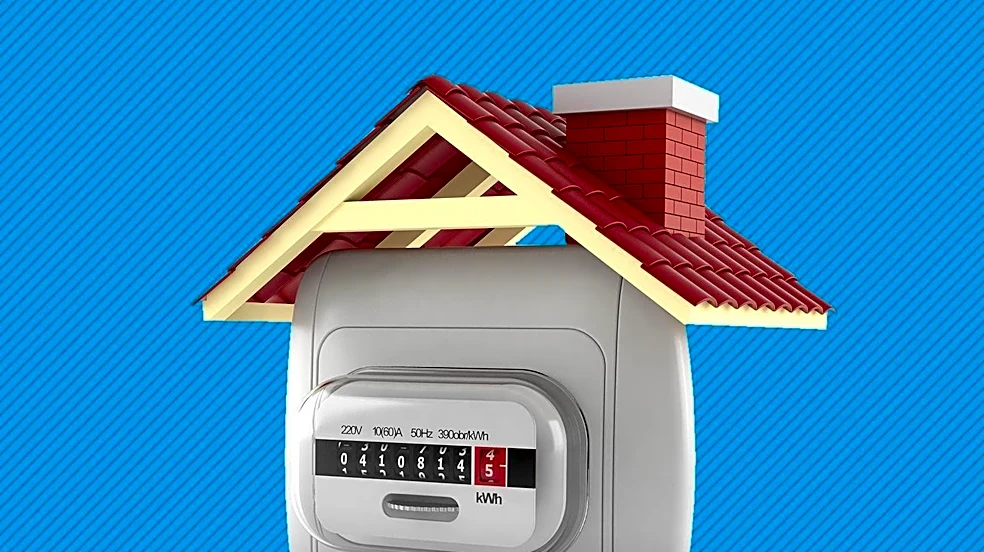
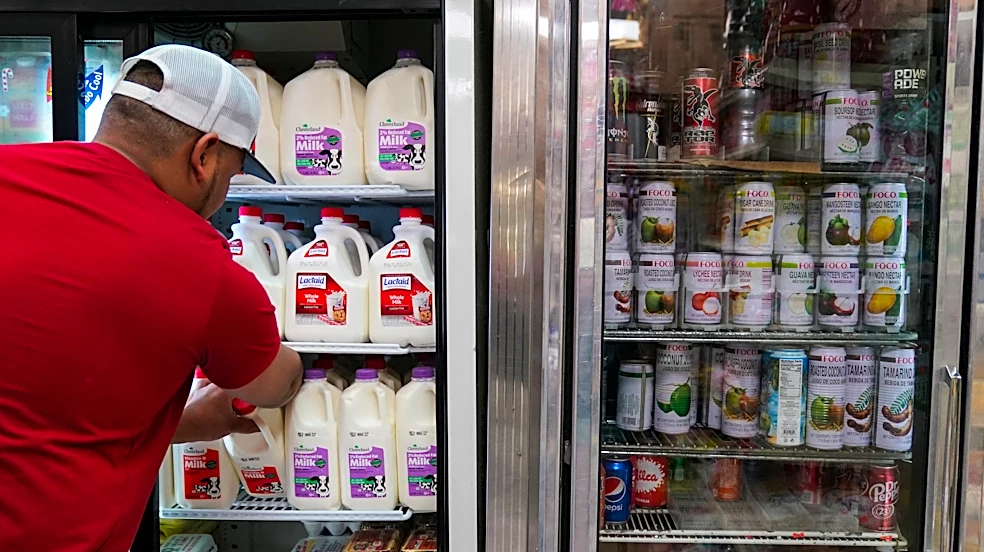
A new Consumer Reports survey indicates that approximately 1 in 5 Americans have reduced grocery spending or opted for less expensive food to manage their electricity bills. Additionally, about 1 in 4 have lowered heating or air conditioning to uncomfortable
levels to save on energy costs. The survey, which included 2,003 U.S. adults, found that 81% of those living in the same home for at least three years reported increased electricity bills, with 28% experiencing increases of 20% to 49%. Three-quarters of respondents whose bills rose stated that these higher costs strained their household finances, with lower-income households (under $85,000 annually) being more than twice as likely to report significant financial strain. Factors cited for rising electricity costs include utility company profits (45%), increased electricity demand from data centers and artificial intelligence systems (38%), fluctuating fossil fuel prices (37%), and the cost of updating energy infrastructure (36%).
Why It's Important?
This situation highlights a critical affordability crisis impacting American households, forcing them to make difficult trade-offs between essential needs like food and energy. The findings underscore the broader economic pressures, including rising gasoline and diesel prices, which contribute to the overall cost of living. The survey also reveals a significant lack of trust in state utility regulators, with about three-quarters of respondents expressing little to no confidence in their ability to protect consumer interests. This erosion of trust can have long-term implications for public policy and regulatory oversight in the energy sector. The disproportionate impact on lower-income households exacerbates existing economic inequalities, potentially leading to increased food insecurity and health issues due to inadequate heating or cooling.
What's Next?
The financial strain on American households due to rising electricity costs is likely to remain a prominent issue, especially with midterm elections approaching. Voters have identified the cost of living, healthcare, food prices, gasoline costs, and housing as top concerns for lawmakers to address. This pressure may prompt policymakers to explore various interventions, such as stricter regulation of utility companies, investments in energy efficiency programs, or direct financial assistance to vulnerable households. The role of data centers and artificial intelligence in driving electricity demand may also come under increased scrutiny, potentially leading to discussions about energy consumption policies for these industries. Consumer advocacy groups like Consumer Reports will likely continue to push for greater transparency and accountability from utility providers and regulators.
Beyond the Headlines
The necessity for Americans to choose between adequate food and comfortable living temperatures exposes a deeper societal vulnerability to energy market fluctuations and regulatory shortcomings. This issue extends beyond mere economic hardship, touching upon fundamental human rights to adequate living standards and health. The public's skepticism towards utility oversight suggests a breakdown in the social contract, where essential services are perceived as prioritizing profit over public welfare. This could fuel broader movements for energy justice and community-owned energy initiatives. Furthermore, the impact of emerging technologies like AI on energy demand raises ethical questions about sustainable development and the allocation of resources, prompting a reevaluation of how technological progress aligns with societal well-being and environmental responsibility.