






What's Happening?
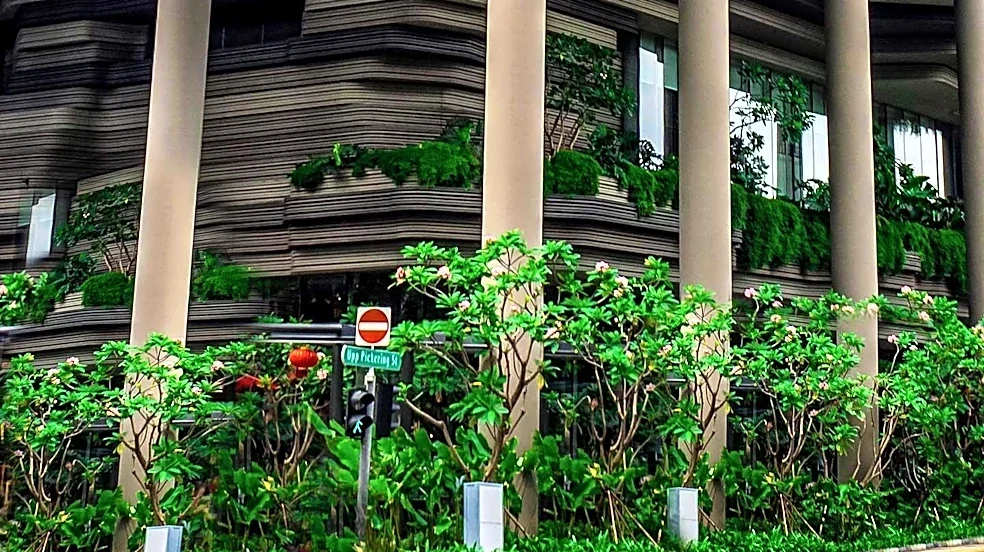
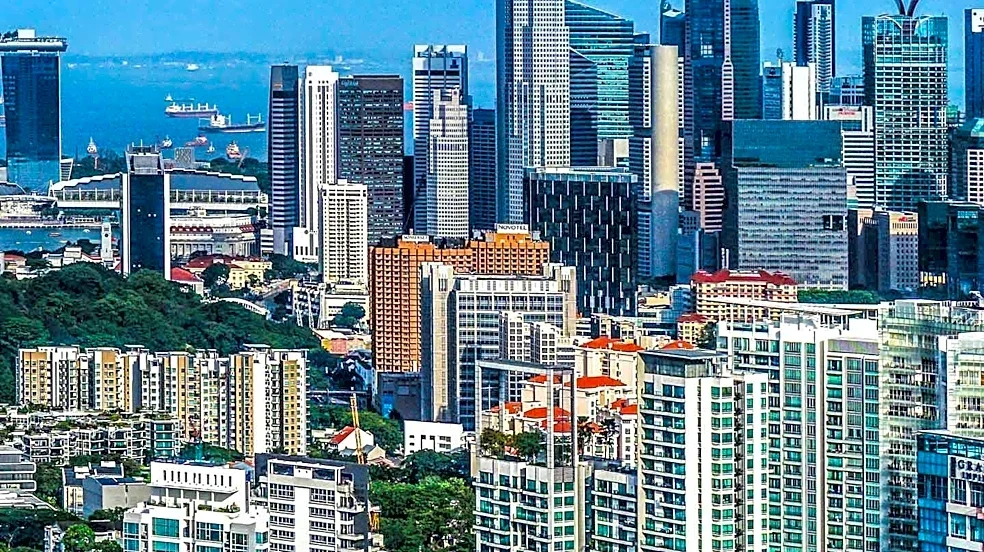
Edible Garden City, an urban farming social enterprise based in Singapore, is actively converting the city-state's extensive green rooftop spaces into productive food networks. Singapore's landscape replacement policy has resulted in approximately 2,000
hectares of green rooftop area, much of which is currently ornamental. Edible Garden City is developing plant genetics and implementing multi-tiered, food forest designs to transition these spaces into genuine perennial food production systems. This approach, seen in projects like a rooftop farm 51 floors above ground, aims to reduce pest pressure, minimize pesticide use, and attract pollinators. The organization is also experimenting with diversified plantings at Gardens by the Bay, moving away from monoculture to a more resilient food forest model using native and traditional crops.
Why It's Important?
This initiative is significant as it demonstrates a scalable model for urban food production in hyperdense environments, offering a template for other cities globally. Singapore, which imports nearly all of its food, could transform its existing green infrastructure into a substantial source of local produce, enhancing food security and sustainability. By replacing ornamental plants with food-producing alternatives, the city can leverage its annual billion-dollar investment in urban vegetation for practical benefits. The shift from decorative greenery to productive food forests also highlights a potential re-evaluation of urban planning and landscaping budgets, prioritizing functionality and resilience. This model could inspire U.S. cities facing similar challenges of limited agricultural land and reliance on external food sources to explore innovative urban farming solutions.
What's Next?
Edible Garden City plans to continue developing plant genetics and expanding its food forest designs. The organization is introducing successful perennial species, such as lemongrass, pandan, cassava, sweet potato, and Brazilian spinach, to industry partners and community gardens. The broader implementation of this model across Singapore hinges on policy decisions that prioritize food production over purely aesthetic landscaping. The research and structural engineering required for such conversions have already been proven within the city, suggesting that wider adoption is primarily a matter of policy and investment. Other hyperdense cities worldwide may look to Singapore's example for adapting their urban landscapes into sources of food, habitat, and community resilience.
Beyond the Headlines
The transformation of urban rooftops into edible landscapes carries deeper implications beyond food production. It challenges the traditional separation of urban development and agriculture, fostering a more integrated and sustainable urban ecosystem. Ethically, it promotes food sovereignty and reduces the carbon footprint associated with long-distance food transportation. Culturally, it could reconnect urban dwellers with food sources and agricultural practices, potentially leading to increased community engagement and educational opportunities. Legally, it may necessitate new zoning laws, building codes, and incentives to encourage developers to incorporate productive green spaces. This shift represents a long-term re-imagining of urban infrastructure, where cities are not just consumers but also producers, contributing to a more resilient and self-sufficient future.