



What's Happening?
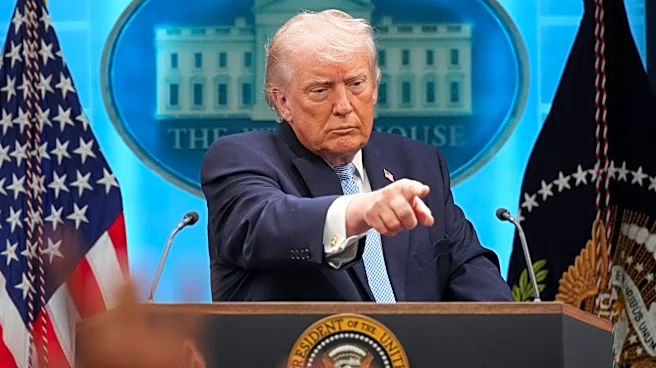
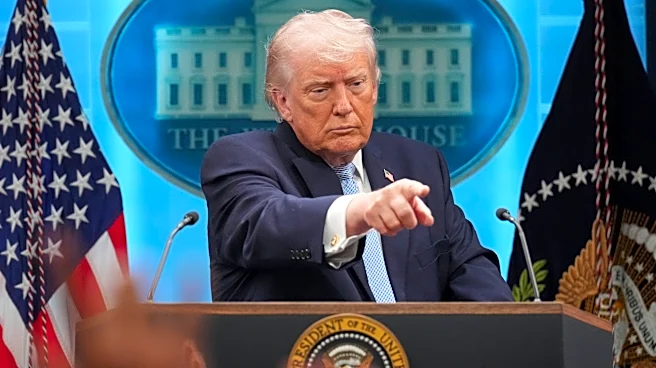
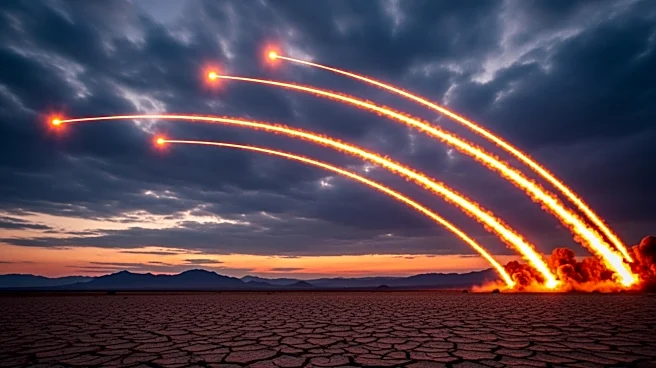
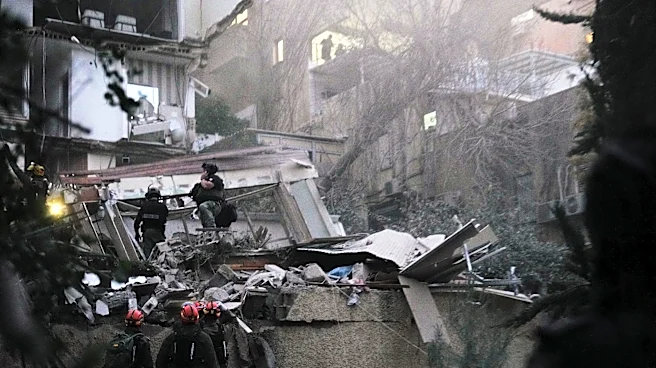
Iran launched a series of missile barrages towards Israel shortly after a ceasefire agreement was announced by US President Donald Trump. The ceasefire involved the US, Israel, and Iran, but was quickly violated as sirens sounded across southern, central,
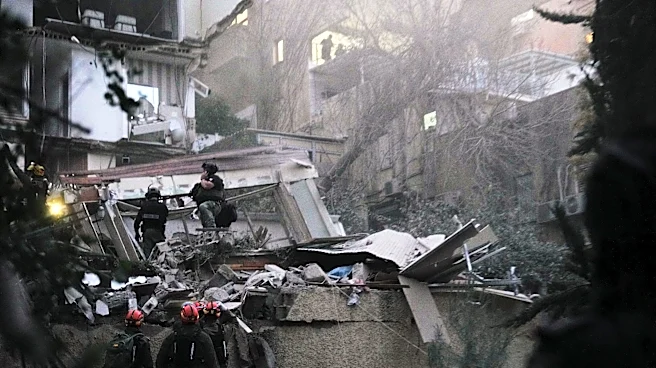
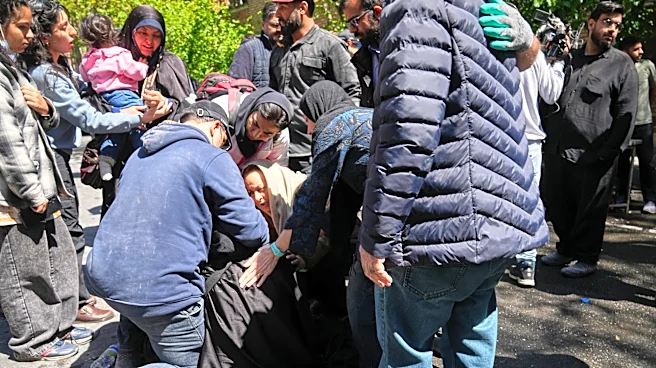
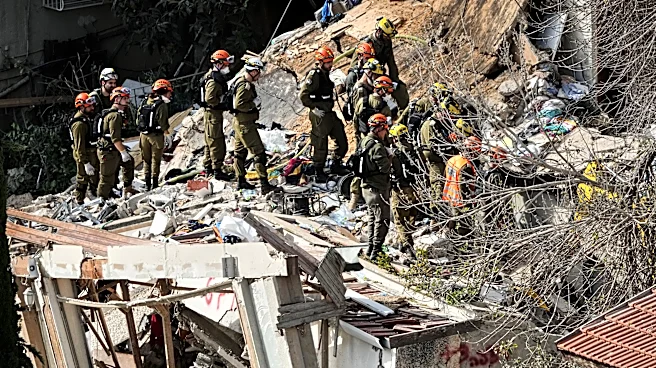
and northern Israel, including major cities like Tel Aviv, Haifa, and Jerusalem. Magen David Adom reported three shrapnel fall sites in central and northern Israel, with additional missile fragments found in the Sharon area. Police and bomb disposal experts were dispatched to investigate and ensure safety. Four people were lightly injured in Tel Sheva, and 15 others experienced anxiety due to the attacks.
Why It's Important?
The violation of the ceasefire agreement highlights ongoing tensions in the region and the challenges in achieving lasting peace. The missile attacks have immediate implications for the safety and security of Israeli citizens, causing injuries and anxiety. The situation underscores the fragile nature of diplomatic agreements in the Middle East, where historical conflicts and distrust can quickly undermine efforts for peace. The incident may affect US foreign policy and its role in mediating conflicts in the region, potentially influencing international relations and security strategies.
What's Next?
The immediate next steps involve assessing the damage and ensuring the safety of affected areas in Israel. The Israeli government may respond with military action or diplomatic measures to address the breach of the ceasefire. International stakeholders, including the US, may engage in further negotiations to restore the truce and prevent escalation. The situation could lead to increased military presence and heightened security measures in Israel and surrounding regions.