
What's Happening?
Northern Wisconsin has been experiencing significant drought conditions throughout the summer, with about half of the state currently affected. According to Bridgette Mason, Assistant State Climatologist
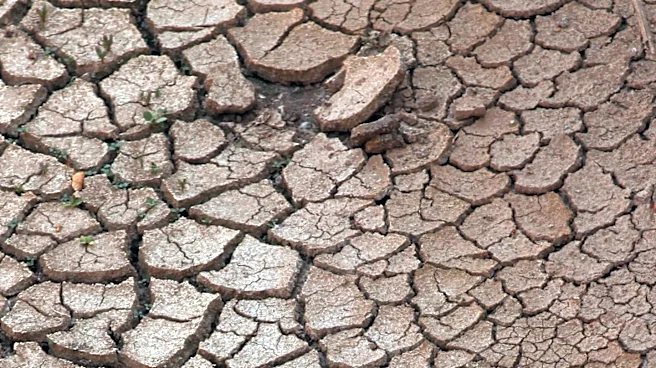
at the Center for Climate Research, approximately 30% of the state is in moderate to severe drought, and another 22% is in extreme to exceptional drought, primarily concentrated in the northern half. This follows a record-breaking wet April, which was abruptly succeeded by the fourth-driest May on record. Some counties in the exceptional drought category have received less than 12.5 inches of precipitation since May, which is less than 50% of the typical amount for this period. The drought has led to unprecedentedly low water levels in lakes, rivers, and reservoirs, causing concerns about wildlife, including reports of animals scavenging for food and water, large fish kills, and blue-green algae blooms. Additionally, drought-stressed trees are becoming more susceptible to pests and diseases, with potential long-term impacts on forests.
Why It's Important?
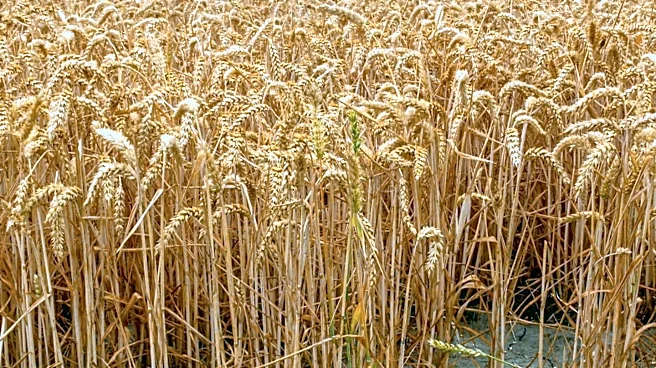
The severe drought in Northern Wisconsin has significant economic and ecological implications for the region and potentially the broader U.S. The agricultural sector is particularly hard-hit, with farmers forced to use hay for livestock earlier than usual due to low crop yields. This could lead to increased costs for producers, which may eventually translate to higher prices for consumers of Wisconsin dairy and beef products. The drought also exacerbates challenges for smaller, family-owned farms, potentially accelerating a trend towards larger agricultural operations. Ecologically, the low water levels and stress on vegetation threaten local biodiversity, impacting aquatic life and forest health. The increased susceptibility of trees to pests and diseases could lead to widespread forest damage, affecting timber industries and ecosystem services. This situation highlights the vulnerability of even typically water-rich regions to climate variability and the need for adaptive strategies in agriculture and natural resource management.
What's Next?
The drought conditions are expected to persist, with projections indicating an increase in drought frequency and warmer temperatures across Wisconsin in the future. This phenomenon, described as 'precipitation ping-pong,' suggests a pattern of increasing rainfall variability. Farmers in the region may need to adopt new irrigation practices, which are not traditionally common in Wisconsin, or diversify their crops to include more drought-resistant varieties. This shift could involve a trade-off between high-yield, non-drought-resistant crops and lower-yield, drought-resistant options. The long-term outlook suggests that Wisconsin's climate may become more akin to states like Oklahoma within the next 60 years, implying that current ecological and agricultural challenges will likely intensify. Monitoring the health of drought-stressed trees will be crucial, as the full extent of pest and disease impacts may not become apparent until the spring. Continued research and adaptation strategies will be essential for mitigating the ongoing and future effects of climate change in the region.
Beyond the Headlines
The drought in Northern Wisconsin is a microcosm of broader climate change impacts being felt across the U.S., illustrating how even regions not typically associated with aridity are becoming vulnerable. This event underscores the concept of 'precipitation ping-pong,' where extreme wet periods are followed by extreme dry periods, making water management and agricultural planning increasingly complex. The ecological consequences, such as animal behavioral changes and increased tree vulnerability, highlight the interconnectedness of natural systems and the far-reaching effects of climate shifts. Ethically, the situation raises questions about resource allocation and support for farmers and communities facing unprecedented environmental challenges. Culturally, the changing landscape could impact recreational activities and the traditional way of life in a state known for its lakes and forests. This ongoing drought serves as a stark reminder that climate change is not a distant threat but a present reality demanding immediate and sustained adaptive responses.