
What's Happening?
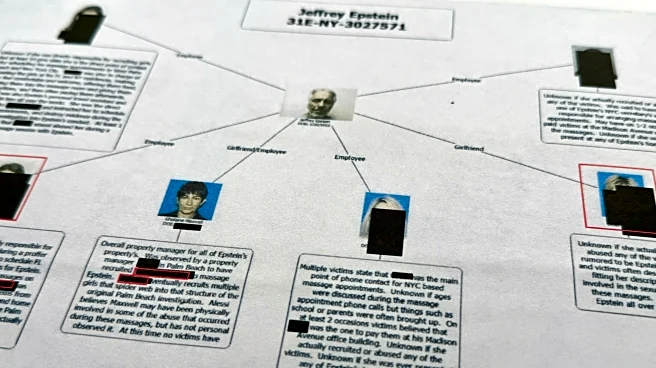
The Department of Justice (DOJ) is facing growing criticism after failing to meet a deadline to release files related to Jeffrey Epstein. This development has sparked a backlash, with calls for transparency
intensifying. A spokesperson for former President Clinton has publicly urged the release of all documents pertaining to him. The delay in releasing these files has raised questions about the DOJ's handling of the case and the potential implications for individuals connected to Epstein.
Why It's Important?
The Epstein case has been a focal point of public interest due to its high-profile connections and the serious nature of the allegations involved. The DOJ's delay in releasing the files could undermine public trust in the justice system and fuel speculation about the reasons behind the delay. Transparency in this case is crucial for accountability and to address public concerns about potential misconduct or cover-ups involving influential figures.
What's Next?
Pressure is likely to mount on the DOJ to release the files promptly. Legal and political stakeholders may push for further investigations or hearings to ensure transparency and accountability. The public and media will continue to scrutinize the DOJ's actions, potentially leading to broader discussions about reforming processes related to high-profile cases. The outcome of this situation could influence future handling of sensitive legal documents and cases involving public figures.