

What's Happening?
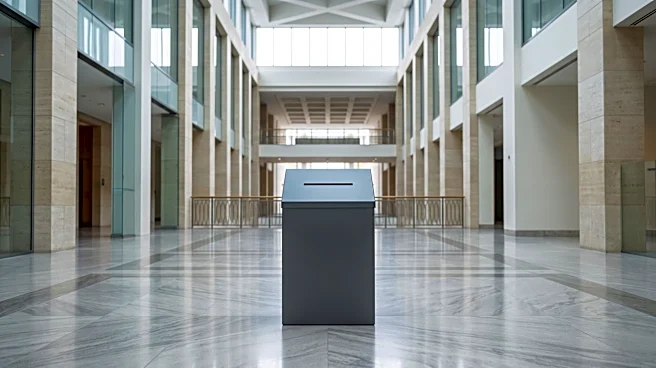
Texas counties are conducting public logic and accuracy (L&A) testing on voting machines in preparation for the upcoming November elections. This testing, mandated by the state, allows the public to observe the election process and verify the functionality
of voting equipment. Hays County Election Administrator and Voter Registrar, Jennifer Doinoff, explained that this is one of three tests performed, involving hand-counting ballots and then comparing those results with machine counts to ensure accuracy. Cynthia Gonzales from the City of Kyle emphasized the importance of these tests in ensuring equipment readiness. The 89th Texas Legislature updated testing procedures in 2025 through Senate Bill 2166, enhancing requirements for voting tabulation equipment and electronic poll books to standardize the process across counties. Early voting is scheduled to begin on October 19, with Election Day on November 3.
Why It's Important?
The public logic and accuracy testing of voting machines in Texas is crucial for maintaining election integrity and fostering voter confidence. By allowing citizens to witness the verification process firsthand, it promotes transparency and helps to dispel concerns about the reliability of electronic voting systems. The standardization of testing procedures, as mandated by Senate Bill 2166, ensures a consistent and rigorous approach across all Texas counties, which is vital for the perceived fairness and accuracy of election outcomes. This proactive measure aims to prevent potential discrepancies and challenges that could arise from malfunctioning equipment or unverified processes, thereby safeguarding the democratic process and the legitimacy of election results in the state. The integrity of voting machines is a cornerstone of a fair election, directly impacting public trust in the electoral system.
What's Next?
With early voting set to commence on October 19 and Election Day on November 3, Texas counties will continue their preparations, including additional testing phases as outlined by state requirements. The ongoing public logic and accuracy testing will likely continue to be a focal point for election administrators to ensure all equipment is fully operational and accurate. Voters are encouraged to participate in observing these tests to gain a better understanding of the election process. Following the elections, post-election audits and reviews will likely be conducted to further verify the accuracy of the results. The standardized procedures established by Senate Bill 2166 will guide these subsequent steps, aiming to ensure a smooth and transparent electoral cycle.
Beyond the Headlines
The emphasis on public logic and accuracy testing in Texas reflects a broader national conversation about election security and voter confidence, particularly in an era of heightened scrutiny over electoral processes. While the immediate goal is to ensure accurate vote tabulation, the deeper implication lies in reinforcing the foundational principles of democratic governance. By making these tests public and transparent, Texas is not only addressing technical accuracy but also attempting to build social trust in its institutions. This approach can serve as a model for other states grappling with similar challenges, highlighting the importance of visible and verifiable election procedures. The legislative updates in 2025 underscore an ongoing commitment to refining and strengthening election protocols, acknowledging that public perception of fairness is as critical as the technical integrity of the voting system itself.