
What's Happening?
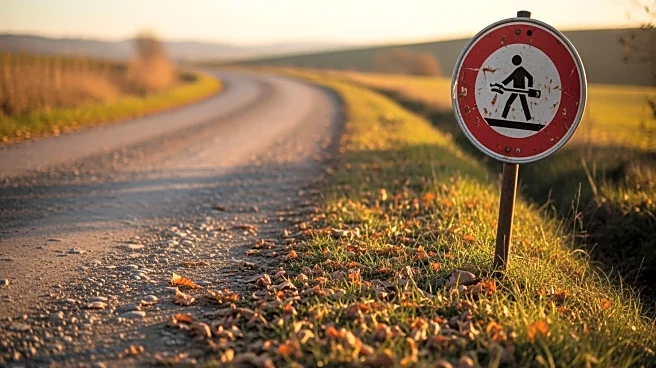
Ezra Dyer, a senior editor at Car and Driver, shares his experiences managing a neighborhood road association after moving to a rural area. The neighborhood consists of about 20 farms connected by several
miles of dirt roads. Dyer unexpectedly became the head of the road association, a role that involves coordinating road maintenance and repairs. This responsibility has given him a new appreciation for the infrastructure of paved roads, which he previously took for granted. Dyer describes the challenges of maintaining these roads, including dealing with weather-related damage and coordinating with neighbors to fund repairs. He also recounts his personal involvement in road maintenance, such as using a tractor to grade the roads and assisting vehicles stuck in difficult conditions.
Why It's Important?
Dyer's story highlights the often-overlooked importance of road infrastructure, especially in rural areas where maintenance can be a community effort. The narrative underscores the reliance on local initiatives to maintain essential services in less urbanized regions. This situation reflects broader issues of infrastructure funding and management in the U.S., where rural areas may lack the resources and governmental support available in urban centers. The story also emphasizes the critical role of community involvement and the challenges faced by individuals who take on civic responsibilities. Dyer's newfound appreciation for paved roads serves as a reminder of the complexities and efforts involved in maintaining infrastructure that many people use daily without consideration.
What's Next?
As Dyer continues to manage the road association, he will likely face ongoing challenges related to funding and organizing road maintenance. The community may need to explore more sustainable solutions for road upkeep, potentially involving local government support or innovative funding mechanisms. Dyer's experiences could inspire other rural communities to reassess their infrastructure management strategies and advocate for better support from local authorities. Additionally, his story may raise awareness about the importance of infrastructure investment in rural areas, prompting discussions on how to address these challenges at a policy level.
Beyond the Headlines
Dyer's account also touches on the cultural and social aspects of rural living, where community cooperation is essential for maintaining shared resources. This dynamic can foster a strong sense of community but also places significant responsibility on individuals. The story illustrates the balance between self-reliance and communal support that characterizes many rural communities. Furthermore, it highlights the potential for personal growth and learning that comes from taking on unexpected roles and responsibilities, as Dyer has done.