









What's Happening?
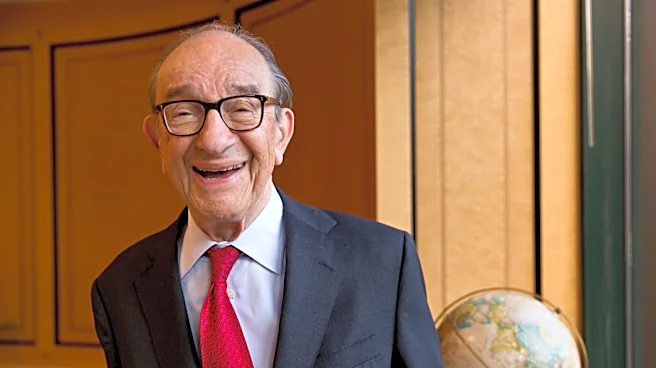
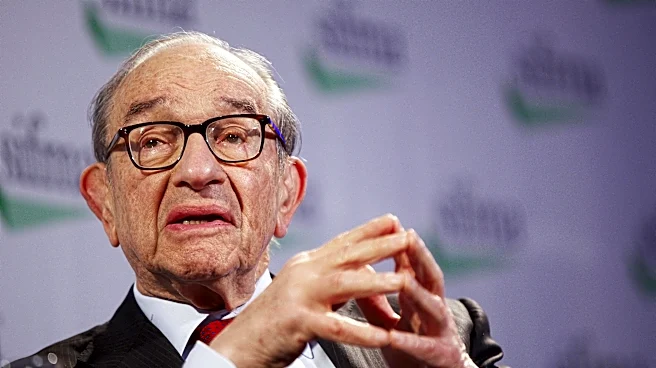
Alan Greenspan, who served as the chairman of the Federal Reserve from 1987 to 2006, has died at the age of 100. His tenure was marked by significant economic growth and stability, but his reputation was later marred by the 2008 financial crisis. Greenspan was a proponent
of deregulation and believed in the self-regulating nature of financial markets, a stance that has been heavily scrutinized in the aftermath of the crisis. Despite the criticisms, Greenspan's influence on global economic policy was substantial, and he was a key figure in navigating the U.S. economy through various crises, including the 1987 stock market crash and the 2001 terrorist attacks.
Why It's Important?
Greenspan's death brings renewed focus on his complex legacy, which continues to influence economic policy and regulatory debates. His tenure at the Fed is often cited in discussions about the balance between market freedom and regulatory oversight. The policies he championed, particularly those related to interest rates and financial deregulation, are seen as both a catalyst for economic growth and a precursor to financial instability. As such, his legacy serves as a cautionary tale for current and future policymakers about the potential risks of unchecked market forces.
What's Next?
The passing of Greenspan may prompt a reevaluation of his policies and their long-term impacts on the financial system. Economists and policymakers might use this moment to reflect on the lessons learned from his tenure, particularly in the context of preventing future financial crises. Discussions may also focus on how to balance economic growth with the need for robust regulatory frameworks to ensure financial stability.
Beyond the Headlines
Greenspan's influence extended beyond economic policy into cultural and philosophical realms, as he was a known advocate of Ayn Rand's Objectivist philosophy. This ideological perspective, which emphasizes individualism and free markets, continues to shape debates about the role of government in economic affairs. His death may reignite discussions about the philosophical underpinnings of economic policy and the ethical considerations of market regulation.