

What's Happening?
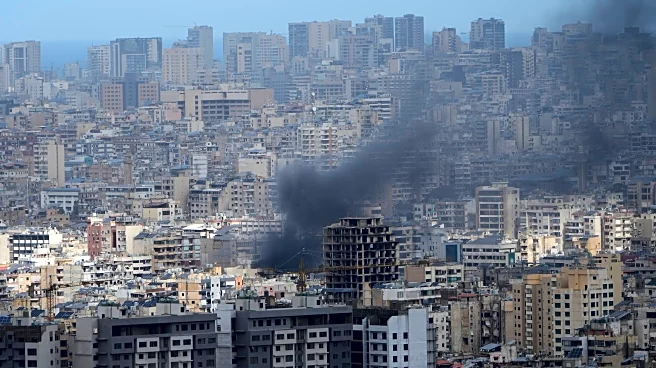
As the U.S. military conflict with Iran enters its second month, Americans are voicing concerns over the war's impact on the economy, particularly rising gas and grocery prices. The conflict has led to financial strain for many families, forcing them
to cut back on spending and delay major plans. Despite initial promises from President Trump for a swift resolution, the war continues, leaving many citizens frustrated and uncertain about the future.
Why It's Important?
The ongoing conflict with Iran is affecting the U.S. economy, contributing to inflation and increased living costs. This situation is exacerbating economic challenges for American families, who are already dealing with the aftermath of the pandemic. The war's continuation also raises questions about U.S. foreign policy and military strategy, as well as the government's ability to address domestic economic concerns while engaged in international conflicts.
What's Next?
The U.S. government faces pressure to resolve the conflict and address its economic repercussions. Public sentiment may influence political leaders to seek diplomatic solutions or reassess military strategies. The situation could also impact upcoming elections, as voters consider the administration's handling of the war and its domestic consequences. Continued public discourse and advocacy may shape future policy decisions.