




What's Happening?
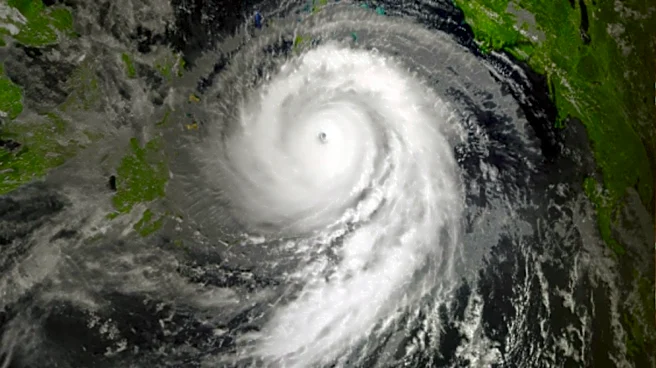
The development of a strong El Niño event is underway, with predictions indicating it could become one of the strongest on record. This climatic phenomenon is characterized by warmer than average ocean temperatures in the central and eastern tropical
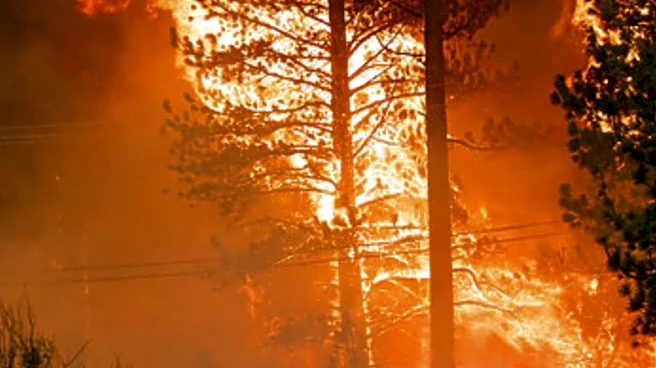
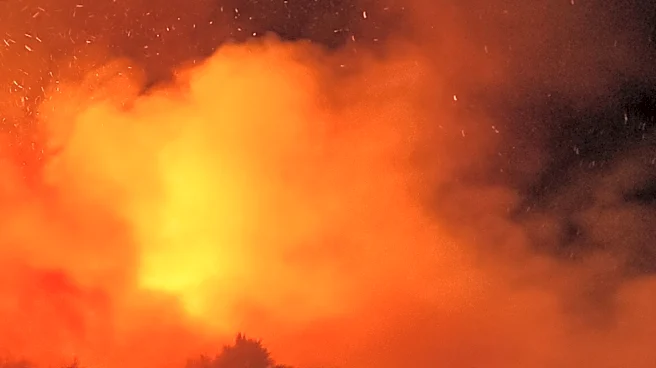
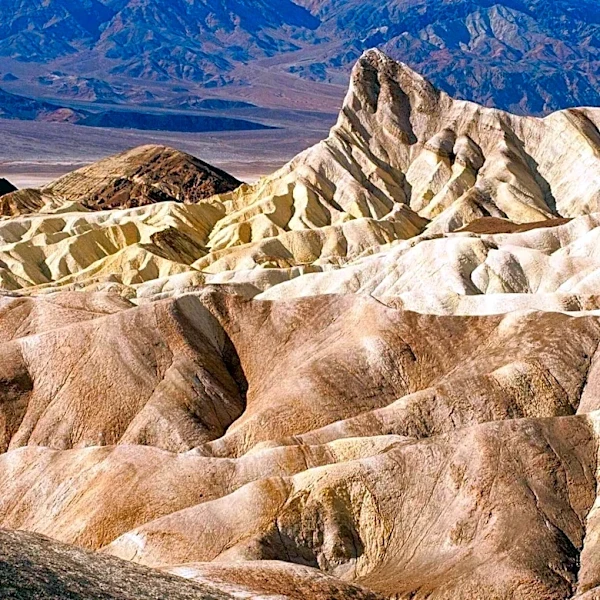
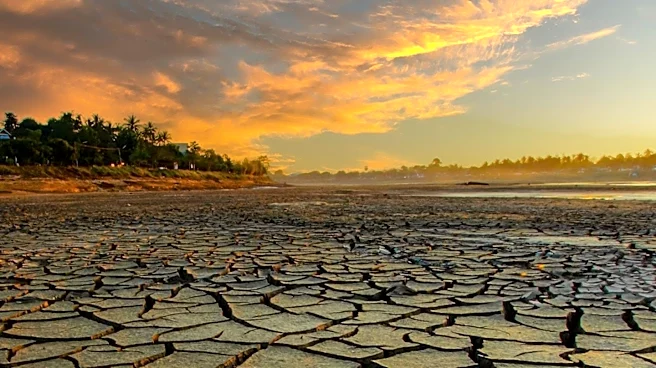
Pacific Ocean. The current El Niño is expected to peak in autumn or winter, with significant impacts anticipated across the United States. The western and central U.S. are experiencing a heat dome, leading to record-breaking temperatures and exacerbating wildfire risks, particularly in the interior West. The North American Monsoon is delayed, but its onset is expected soon, which could bring much-needed moisture to drought-stricken areas. However, the combination of heat and delayed monsoon increases the risk of wildfires, especially in regions with dry vegetation.
Why It's Important?
The intensifying El Niño has significant implications for weather patterns across the U.S., particularly in terms of temperature extremes and precipitation. The heat dome currently affecting the western and central U.S. is causing record temperatures, which can lead to increased energy demand and strain on infrastructure. Additionally, the heightened risk of wildfires poses a threat to communities, ecosystems, and air quality. The delayed monsoon could provide relief, but also brings the risk of dry thunderstorms, which can ignite new fires. Understanding and preparing for these impacts is crucial for mitigating risks to public safety and economic stability.
What's Next?
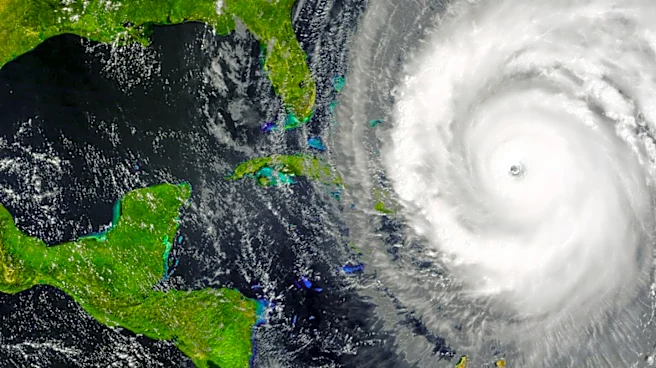
As El Niño continues to develop, its effects are expected to become more pronounced. The heat dome is likely to persist, with temperatures remaining above average in many areas. The onset of the monsoon could bring relief, but also poses the risk of dry lightning and new fire ignitions. Monitoring and responding to these developments will be critical for emergency management and public safety efforts. Additionally, the potential for increased storm activity in the Pacific could lead to further weather disruptions in the coming months.