
What's Happening?
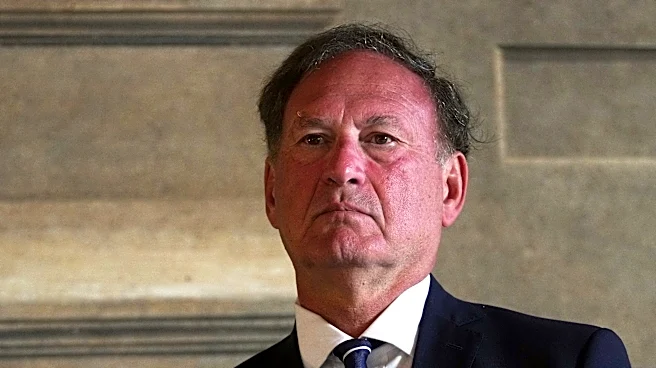
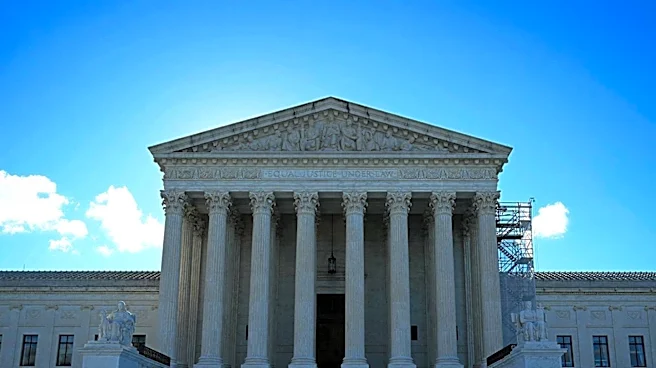
Justice Samuel Alito, the second-oldest member of the U.S. Supreme Court, has confirmed that he will not be retiring soon, dispelling recent rumors about his potential departure. This clarification comes
after NPR mistakenly reported that Alito was retiring, a claim that was quickly corrected. Alito's decision to remain on the bench ensures that the current ideological balance of the Supreme Court will be maintained for the foreseeable future. The speculation about his retirement had sparked discussions about potential successors and the political implications of such a change, especially given the current Republican majority in the Senate. Alito's decision to stay on the court adds another layer of complexity to the already high-stakes political environment leading up to the midterm elections.
Why It's Important?
Justice Alito's decision to remain on the Supreme Court is significant as it maintains the current conservative majority, which has been pivotal in recent landmark decisions. His continued presence on the court ensures that the conservative judicial philosophy will likely influence key rulings on issues such as abortion, gun rights, and healthcare. The timing of any future retirement could have substantial political implications, particularly if it coincides with a shift in Senate control. A retirement during a Democratic-led Senate could lead to a more ideologically balanced court, whereas a retirement under a Republican majority would likely result in the appointment of another conservative justice. This decision underscores the strategic importance of Supreme Court appointments in shaping U.S. law and policy.
What's Next?
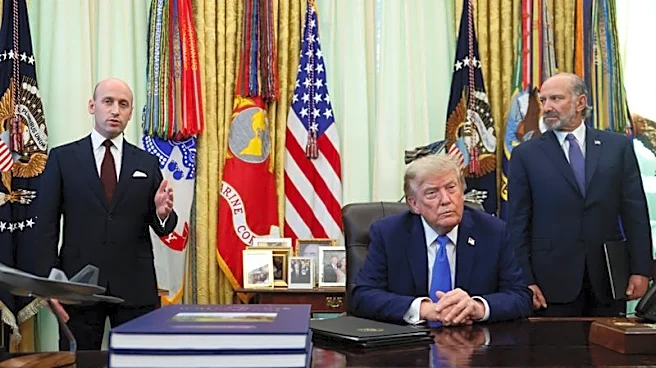
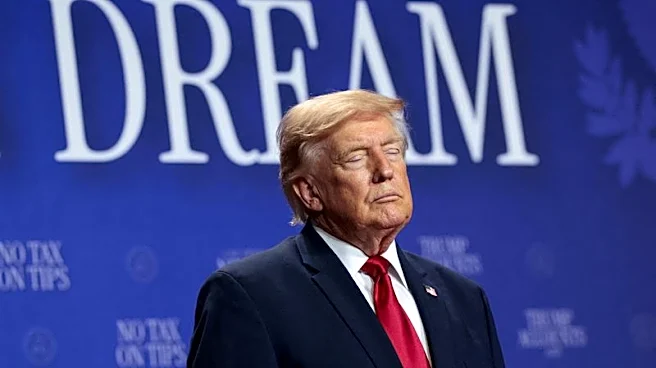
While Justice Alito has confirmed he will not retire soon, the timing of any future retirement remains a topic of interest. Should he choose to retire closer to the end of President Trump's term, it could lead to a contentious confirmation process, especially if the Senate is controlled by Democrats. The political landscape in the coming years will be crucial in determining the ease with which a successor could be appointed. Additionally, the upcoming midterm elections could alter the Senate's composition, further influencing the dynamics of future Supreme Court nominations. Stakeholders across the political spectrum will be closely monitoring these developments, as they have the potential to reshape the court's ideological balance for decades.