





What's Happening?
UNICEF has issued an urgent call for the full respect of international humanitarian and human rights law in Gaza, following reports of at least four children killed and numerous others injured within the past five days. The organization highlights that
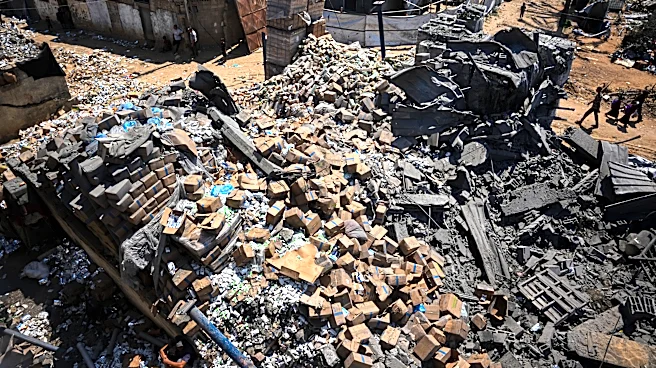
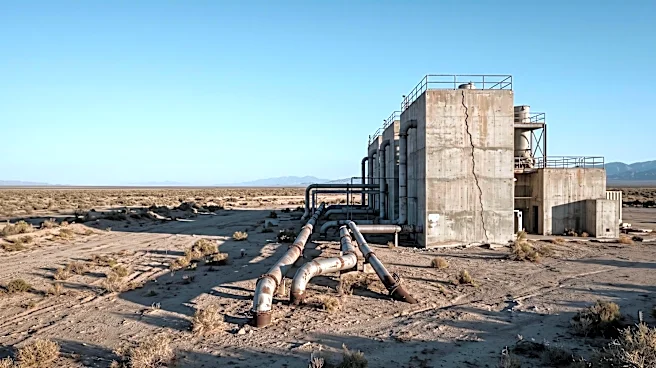
attacks have also destroyed a warehouse containing over US$770,000 worth of UNICEF nutrition supplies, intended for more than 40,500 vulnerable children and 4,900 pregnant and breastfeeding women. Additionally, a UNICEF-supported water well and desalination facility in the Deir Al Balah area, which provides safe drinking water to over 4,000 people, including 2,000 children, was severely damaged by a nearby strike. These incidents further undermine access to essential services for children and families already struggling to survive. UNICEF Regional Director for the Middle East and North Africa, Edouard Beigbeder, emphasized that the destruction of vital supplies and damage to essential services deepen the suffering of the affected population.
Why It's Important?
The ongoing destruction of humanitarian infrastructure and the reported casualties of children in Gaza underscore a critical humanitarian crisis. The damage to water and sanitation facilities, with 70% of Gaza's infrastructure affected, means that 63% of the population cannot access even six liters of drinking water per person per day, a situation particularly dire during the peak summer months. The loss of nutrition supplies further exacerbates the vulnerability of children and pregnant and breastfeeding women, who rely on these provisions for their health and survival. This situation highlights the severe challenges faced by humanitarian organizations in delivering aid and protecting civilians in conflict zones, raising concerns about the adherence to international humanitarian law and the protection of non-combatants, especially children. The inability to provide basic necessities like water and food can lead to long-term health consequences and increased mortality rates among the most vulnerable populations.
What's Next?
UNICEF is advocating for rapid, safe, and unimpeded humanitarian access to Gaza to ensure the protection of children's lives and rights, and to safeguard civilian infrastructure and essential services. The organization and its partners are currently providing emergency water trucking to affected families to maintain access to safe water while the damaged facility is inoperable. The immediate next steps will likely involve continued efforts by UNICEF and other humanitarian agencies to deliver aid, assess further damage, and repair critical infrastructure where possible. There will also be ongoing calls for all parties to the conflict to uphold international humanitarian law, protect civilians, and facilitate the safe passage of humanitarian assistance. The international community will likely continue to monitor the situation closely and press for a resolution that prioritizes the safety and well-being of the civilian population.
Beyond the Headlines
The repeated damage to essential services and humanitarian supplies in Gaza points to a broader issue of the systematic impact of conflict on civilian life and the challenges of upholding humanitarian principles in active war zones. Beyond the immediate casualties and destruction, the long-term implications include a generation of children facing severe health issues due to malnutrition and lack of clean water, potential psychological trauma from constant exposure to violence, and a significant setback in the region's development. The destruction of infrastructure, such as water facilities, can have lasting environmental and public health consequences, making recovery efforts more complex and prolonged. This situation also raises questions about accountability for violations of international humanitarian law and the effectiveness of existing mechanisms to protect civilians and aid workers in conflict-affected areas.