
What's Happening?
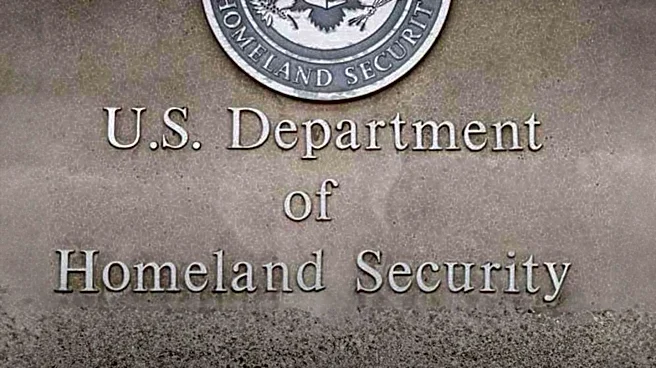
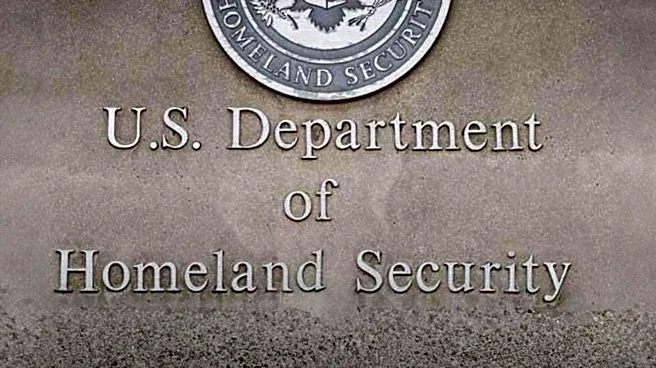
The Department of Homeland Security (DHS) has issued a directive requiring federal civilian agencies to cease purchasing and remove all products from Acronis, a Swiss data-backup and cybersecurity firm,
from their systems. This order follows similar actions taken by the Office of the Director of National Intelligence (ODNI) and the Department of Defense (DOD). The directive targets Acronis products, which are utilized by various federal agencies for data backup and cybersecurity measures. The specific reasons for this widespread removal order have not been detailed in the provided information, but it indicates a significant concern regarding the security or reliability of Acronis's offerings within federal infrastructure.
Why It's Important?
This directive from the DHS carries substantial implications for federal cybersecurity and procurement practices. The removal of a widely used cybersecurity vendor like Acronis from federal systems suggests a critical vulnerability or a national security concern identified by multiple U.S. intelligence and defense agencies. This action could lead to a broader re-evaluation of foreign-sourced software and hardware used within the U.S. government, potentially impacting other international technology providers. For federal agencies, it necessitates a costly and time-consuming process of identifying, removing, and replacing Acronis products, which could disrupt operations and strain IT resources. Furthermore, it underscores the U.S. government's increasing scrutiny of supply chain security, particularly concerning software from countries that may not be considered close allies or that have complex geopolitical relationships.
What's Next?
Federal civilian agencies are now tasked with the immediate implementation of the DHS directive, which involves a comprehensive audit of their systems to identify all instances of Acronis products. Following identification, agencies will need to develop and execute plans for the secure removal of these products and their replacement with approved alternatives. This process will likely involve significant expenditure on new software licenses, implementation services, and employee training. The cybersecurity market will likely see increased demand for U.S.-based or allied-country-based data backup and cybersecurity solutions as agencies seek to comply with this directive and mitigate future risks. Additionally, this event may prompt further legislative or executive actions aimed at strengthening supply chain security for critical government systems.
Beyond the Headlines
The removal of Acronis products from federal systems highlights a growing trend of national security concerns influencing technology procurement. This incident could be indicative of a broader strategy by the U.S. government to reduce reliance on foreign technology, especially from companies operating in regions with complex geopolitical landscapes. It raises questions about the criteria used to assess the trustworthiness of software vendors and the potential for such directives to be used as economic leverage or as a response to intelligence assessments that remain undisclosed to the public. The long-term implications could include a more fragmented global technology market, where national security interests increasingly dictate which technologies are adopted by governments, potentially leading to a 'decoupling' of tech ecosystems along geopolitical lines.