









What's Happening?
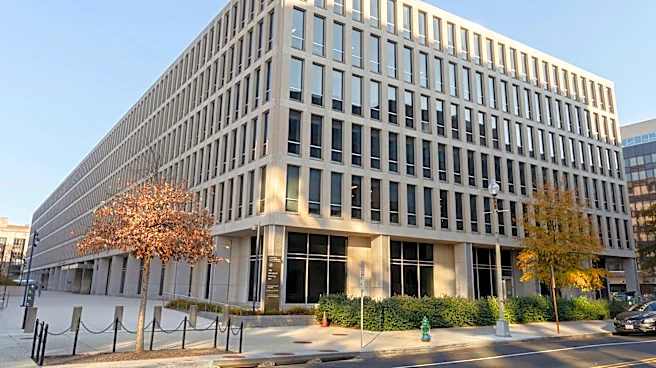
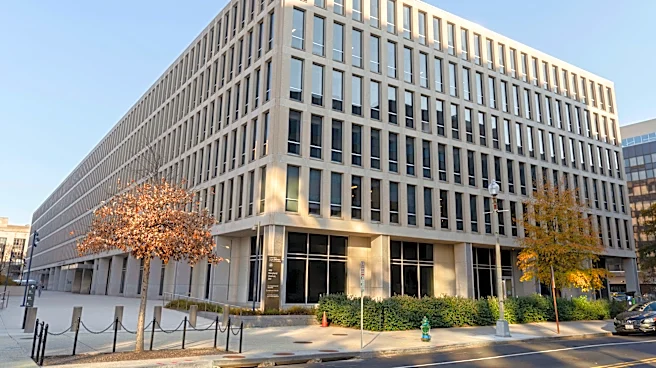
The U.S. Department of Justice (DOJ) has issued a new legal opinion stating that states are not legally required to provide community-based care for individuals with mental, physical, and intellectual disabilities. This opinion, released by the Office
of Legal Counsel (OLC), challenges the long-standing interpretation of the 1999 Supreme Court case Olmstead v. LC, which has been a cornerstone of disability rights law in the United States. The Olmstead decision previously held that people with disabilities are entitled to receive services in their communities rather than being institutionalized. The new opinion suggests that the DOJ's enforcement of this law has exceeded the Supreme Court's original intent, potentially leading to increased rates of institutionalization for disabled individuals. This reinterpretation has sparked concern among civil rights advocates, who view it as a significant threat to the rights of disabled individuals to live integrated lives within their communities.
Why It's Important?
This development is significant as it could fundamentally alter the enforcement of disability rights in the U.S., potentially reversing decades of progress in integrating disabled individuals into society. The opinion may lead to a shift in how the DOJ and the Department of Health and Human Services handle discrimination allegations related to state-funded care. Critics argue that this move could result in more disabled individuals being institutionalized, which contradicts the principles established by the Olmstead decision. The opinion is part of a broader trend under the Trump administration to scale back civil rights protections, which could have far-reaching implications for historically marginalized groups, including people with disabilities. The potential rollback of these protections raises concerns about the future of disability rights and the ability of disabled individuals to access community-based services.
What's Next?
The DOJ's new opinion does not change existing law or serve as a legal precedent, but it signals a shift in enforcement priorities that could influence future legal interpretations and actions. Civil rights groups and disability advocates are likely to challenge this opinion, potentially leading to legal battles aimed at preserving the rights established under the Olmstead decision. The opinion may also prompt states to reconsider their policies on providing community-based care, which could affect the availability of such services for disabled individuals. As the DOJ continues to redefine its approach to civil rights enforcement, stakeholders, including advocacy groups and legal experts, will be closely monitoring the impact of these changes on the rights and well-being of disabled individuals.