








What's Happening?
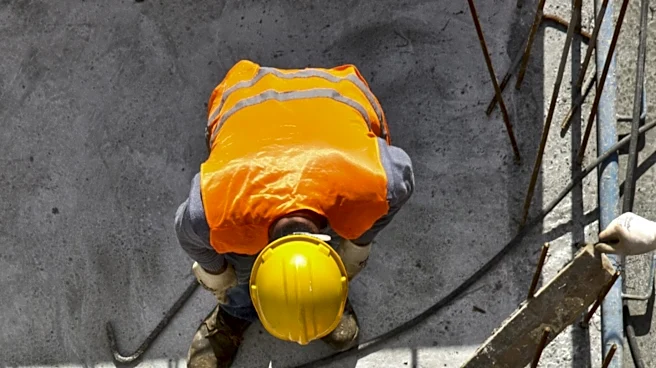
In Kenya, women make up only 3% of the construction workforce, a statistic that a Nairobi-based nonprofit, Buildher, is working to change. Buildher offers year-long training and internship programs in trades such as carpentry, tiling, and painting, aiming
to provide women with the skills needed for better-paying jobs in the construction sector. Since its inception in 2019, Buildher has trained over 1,000 women, significantly increasing their average daily earnings. The program not only focuses on technical skills but also provides emotional and physical support, including yoga and mental health coaching, to help women overcome the challenges of working in a male-dominated industry.
Why It's Important?
The initiative by Buildher is crucial in addressing gender disparities in the construction industry, which is a significant part of Kenya's economy. By empowering women with skills and confidence, the program helps them secure better-paying jobs, thus improving their economic status and contributing to gender equality. The success of Buildher could serve as a model for other industries and regions, demonstrating the potential for women to thrive in traditionally male-dominated fields. This shift not only benefits the women involved but also enriches the industry with diverse perspectives and talents.
What's Next?
Buildher aims to increase women's participation in skilled construction jobs from the current 3% to 10% by 2030. The organization plans to expand its training programs to include more technical trades and continue working with construction firms to improve workplace conditions for women. As more women enter the industry, there is potential for broader structural changes, such as better workplace policies and increased opportunities for women to start their own businesses or collectives.
Beyond the Headlines
The success of Buildher highlights the importance of addressing not just technical skills but also the social and cultural barriers women face in the workplace. By providing comprehensive support, including mental health resources and community building, the program helps women navigate and succeed in challenging environments. This holistic approach could inspire similar initiatives in other sectors, promoting a more inclusive and equitable workforce.