
What's Happening?
The Supreme Court has ordered lower courts to reconsider a Voting Rights Act case involving Native American tribes, following a decision that narrows voting rights protections. The case, which affects
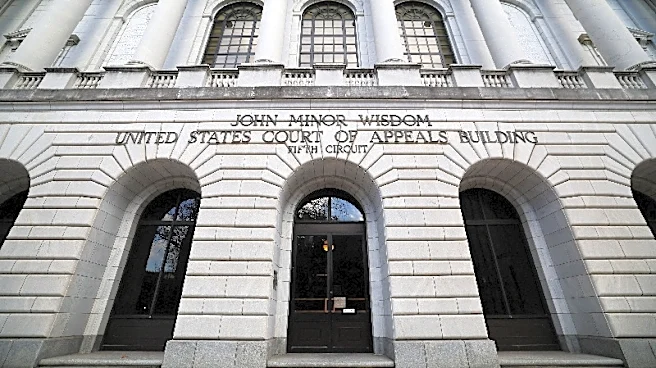
Native American voters and others nationwide, challenges a ruling by the 8th U.S. Circuit Court of Appeals that only the federal government can sue under Section 2 of the Voting Rights Act, a departure from long-standing precedent. Justice Ketanji Brown Jackson dissented, arguing that the rulings should have been reversed. The Supreme Court's recent actions have raised the bar for legal challenges to election maps, impacting how the Civil Rights-era law is enforced.
Why It's Important?
This development is significant as it potentially limits the ability of private groups to bring lawsuits under the Voting Rights Act, which has historically been a critical tool for protecting minority voting rights. The decision could lead to fewer successful challenges against discriminatory election practices, affecting the political representation of Native American communities and other minority groups. The ruling reflects a broader trend of the Supreme Court's conservative majority reshaping voting rights law, which could have long-term implications for U.S. electoral politics and civil rights.
What's Next?
The lower courts will now reassess the cases from North Dakota and Mississippi, which could lead to further legal battles over the enforceability of the Voting Rights Act. Advocacy groups and civil rights organizations are likely to continue their efforts to challenge restrictive voting laws, potentially seeking legislative remedies or new legal strategies. The outcomes of these cases could influence future redistricting efforts and the broader fight for voting rights in the United States.