





What's Happening?
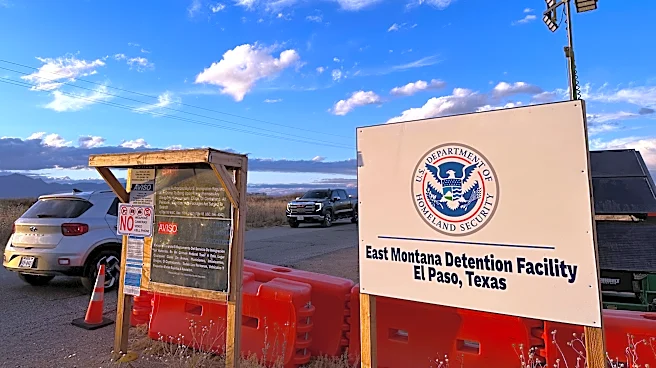
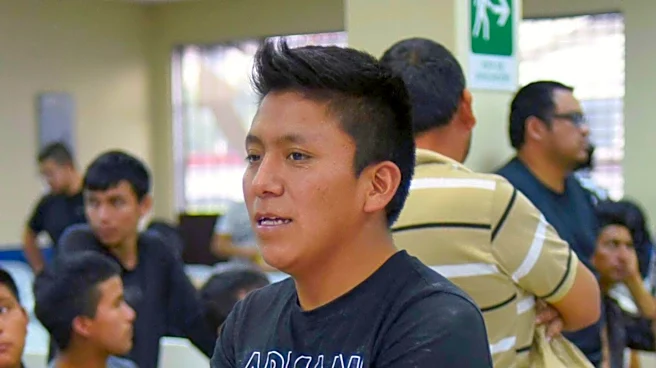
A federal judge has mandated the release of Jose Trinidad Rojas Pliego, a key witness in the fatal shooting of a Houston man by Immigration and Customs Enforcement (ICE) officers. Rojas Pliego, who has been in the U.S. since 1998 and has no criminal record,
is currently in immigration detention. The judge's order requires his release within 48 hours in a public place, with his attorneys being notified at least three hours in advance. The incident in question involved ICE agents who reportedly had no body or dash cameras, and Rojas Pliego, along with another passenger, disputes the federal account of the event, claiming that agents rammed their van before the shooting occurred. The Department of Homeland Security has not commented on the situation, and two other witnesses have filed similar petitions for release.
Why It's Important?
The release of Rojas Pliego is significant as it highlights ongoing concerns about transparency and accountability in ICE operations, particularly in cases involving the use of force. The lack of body or dash camera footage in this incident raises questions about the oversight and documentation of ICE activities. This case also underscores the broader issues of immigration detention and the rights of individuals who are witnesses to federal law enforcement actions. The outcome of this case could influence public policy and legal standards regarding the treatment of witnesses in immigration-related incidents, potentially affecting future ICE operations and the rights of immigrants in the U.S.
What's Next?
Following the judge's order, Rojas Pliego's release is expected to occur within the stipulated timeframe. The case may prompt further legal actions or policy reviews concerning the use of force by ICE and the handling of witnesses in such cases. Advocacy groups and legal experts may push for reforms to ensure greater accountability and transparency in ICE operations. Additionally, the Department of Homeland Security's response, or lack thereof, could influence public perception and policy discussions related to immigration enforcement practices.