





What's Happening?
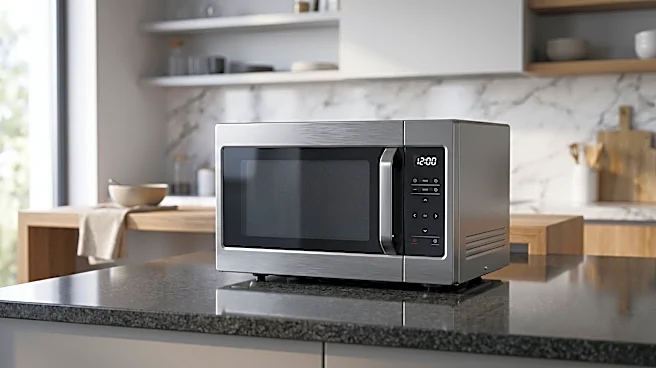
According to cancer doctors, microwaves do not cause cancer, debunking a common misconception. Dr. Adeel Khan, an academic hematologist/oncologist and epidemiologist, states that microwave radiation is non-ionizing and not mutagenic or carcinogenic. The
National Cancer Institute supports this, reporting that most non-ionizing radiation types have not been found to cause cancer. While microwaves are generally safe, damaged units can leak radiation. The U.S. Food and Drug Administration (FDA) regulates microwave leakage to levels far below what is known to harm people and requires two interlock systems to prevent microwave production when the door is open. However, Dr. Gary Deng, an integrative oncologist, advises standing one to three feet away from an operating microwave to minimize exposure, as its energy can heat water molecules in the body's tissues, though typically not to a noticeable degree.
Why It's Important?
This clarification from medical professionals is important for public health, as it addresses long-standing fears and misinformation surrounding microwave oven use. By confirming that microwaves do not cause cancer, it can alleviate unnecessary anxiety for millions of Americans who use these appliances daily. The emphasis on the safety of properly functioning microwaves, coupled with warnings about damaged units, highlights the importance of appliance maintenance and adherence to safety guidelines. This information can guide consumers in making informed decisions about their kitchen appliances and practices, ensuring they use microwaves safely and effectively. It also underscores the role of regulatory bodies like the FDA in setting standards to protect public health from potential risks associated with household technologies.
What's Next?
Consumers are advised to ensure their microwaves are in good working order, particularly checking for any damage to the door, which could lead to radiation leakage. If a microwave is suspected of leaking, the FDA recommends contacting the manufacturer. To further minimize potential harm, individuals should stand at least one to three feet away from an operating microwave. Additionally, users should be mindful of other health risks, such as scalding from hot liquids and steam, and the leaching of microplastics from non-microwave-safe plastic containers. Doctors recommend using microwave-safe glass or ceramic dishes instead of plastic and avoiding metal or foil in the microwave to prevent fires. Following manufacturer heating instructions and proper venting of food are also crucial safety practices.
Beyond the Headlines
The persistent myth about microwaves causing cancer reflects a broader societal challenge in distinguishing scientific fact from anecdotal fear, especially concerning new technologies. This issue highlights the need for continuous public education on scientific principles and health information. The concern about microwave safety also touches upon the 'precautionary principle,' where people often err on the side of caution even when scientific evidence is lacking. The advice to avoid non-microwave-safe plastics points to an evolving understanding of material science and its impact on health, particularly the emerging concerns around microplastics. This ongoing dialogue between scientific research, public perception, and regulatory standards shapes how household technologies are developed, used, and perceived in the U.S. and globally.