



What's Happening?
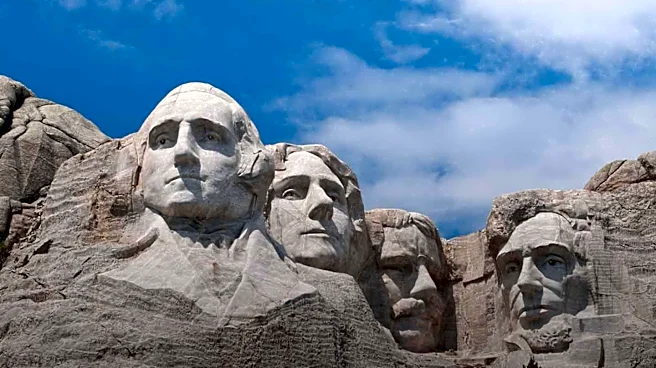
Thomas Jefferson's legacy continues to be a subject of debate as the United States approaches its 250th anniversary. Known for drafting the Declaration of Independence, Jefferson's life embodies both the ideals and contradictions of American history.
He was a proponent of liberty and limited government, yet he was also a slaveholder. His influence spans various political ideologies, being claimed by both sides of the Civil War and civil rights movement. Jefferson's Monticello estate serves as a historical site that reflects both his achievements and the realities of slavery, prompting ongoing discussions about race and history.
Why It's Important?
Jefferson's legacy is crucial in understanding the complexities of American history and identity. His dual role as a champion of liberty and a slaveholder highlights the contradictions that have shaped the nation's development. The ongoing debate about his legacy reflects broader societal discussions about race, equality, and historical memory. As the U.S. grapples with its past, Jefferson's life serves as a reminder of the need to critically examine historical figures and their impact on contemporary issues. His influence on American political thought and the enduring relevance of his ideas continue to shape national discourse.