


What's Happening?
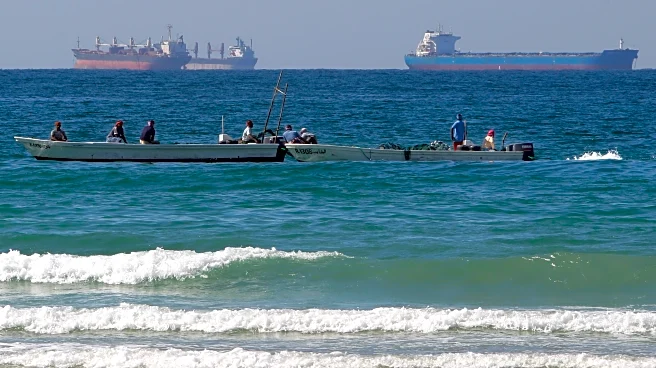
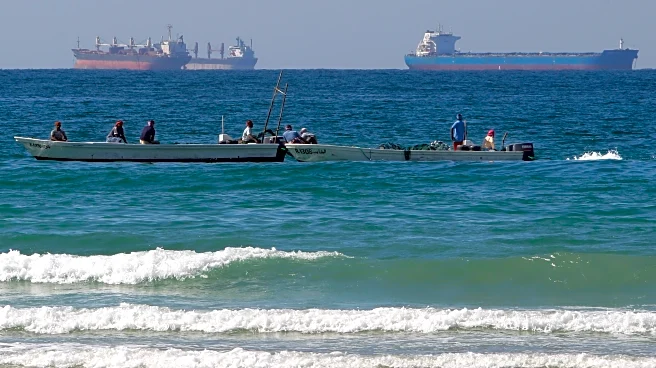
OPEC+ has decided to increase oil production by 206,000 barrels per day starting in April, despite ongoing tensions in the Middle East that threaten supply routes through the Strait of Hormuz. This decision comes after U.S.-Israeli strikes on Iran led
to shipment disruptions. The group, which includes major oil producers like Saudi Arabia and the UAE, has limited spare capacity to boost supply. The recent rise in Brent crude futures to around $73 per barrel reflects fears of a wider conflict and potential supply disruptions.
Why It's Important?
The decision to increase oil production is significant as it aims to stabilize global oil markets amid geopolitical tensions. The Middle East is a critical region for global oil supply, and disruptions could lead to significant price increases, affecting economies worldwide. Analysts warn that a prolonged conflict could push oil prices above $100 per barrel, impacting industries reliant on oil and potentially leading to higher consumer prices. The U.S. and global economies could face inflationary pressures if oil prices continue to rise.
What's Next?
OPEC+ will monitor the situation closely, with potential adjustments to production levels depending on the geopolitical climate. The group's ability to maintain increased production levels will depend on the resolution of tensions in the Middle East. Stakeholders, including governments and businesses, will need to prepare for potential volatility in oil prices and supply disruptions. The international community may seek diplomatic solutions to ease tensions and ensure stable oil supply routes.