


What's Happening?
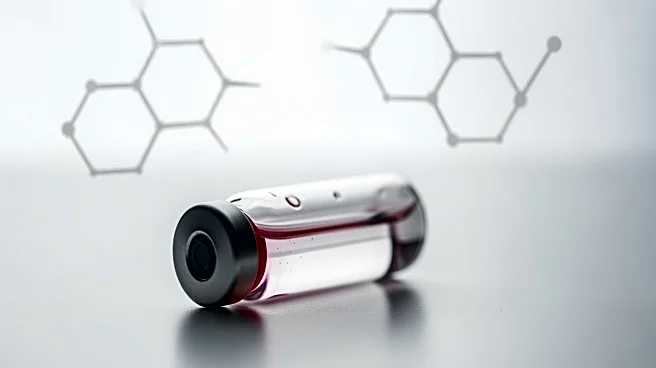
At the 2026 Consumer Electronics Show (CES) in Las Vegas, a notable AI innovation was introduced: an animated character in a glass tube designed to serve as a 'soulmate' companion. This development draws parallels to Johann Wolfgang von Goethe's 'Faust,'
where a 'homunculus'—a small man with redemptive power—is created in a glass vial. The comparison suggests that the concept of creating life-like entities in controlled environments has long been a part of human imagination, as reflected in historical literature. The letter to the editor highlights this connection, suggesting that alchemy, as depicted in Goethe's work, may not have been as far removed from modern scientific endeavors as previously thought.
Why It's Important?
The introduction of AI companions at CES 2026 underscores the rapid advancement of artificial intelligence and its integration into everyday life. This development raises questions about the ethical implications of creating AI entities that mimic human relationships. It also highlights the potential for AI to fulfill roles traditionally occupied by humans, such as companionship, which could have significant social and psychological impacts. The comparison to historical literature suggests a longstanding human fascination with creating life-like entities, reflecting both the potential and the cautionary tales associated with such technological advancements.