






What's Happening?
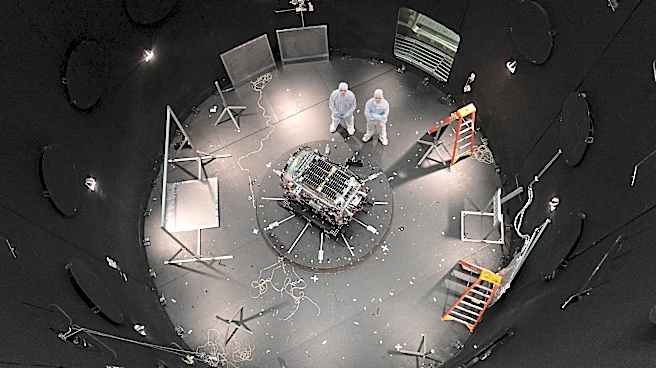
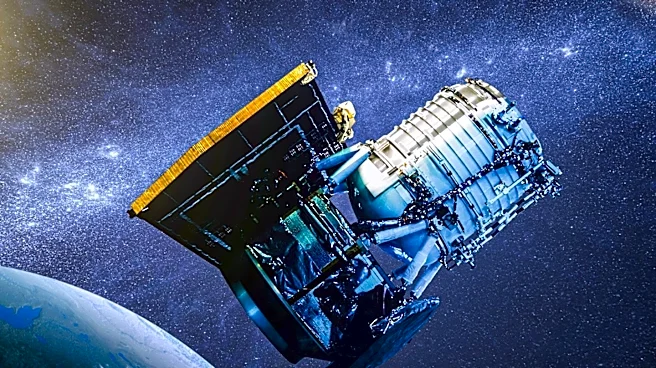
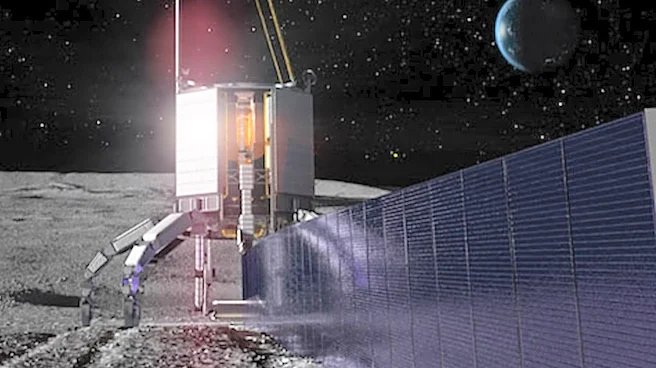
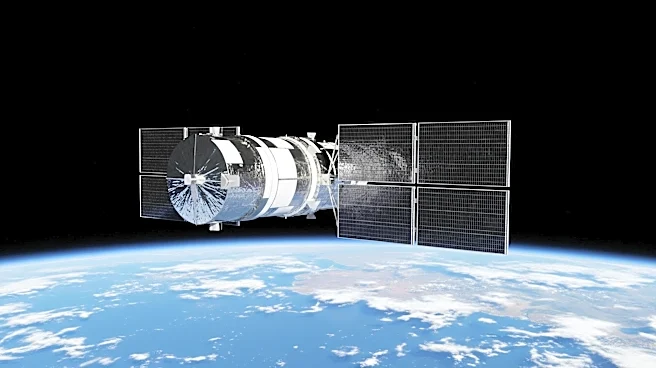
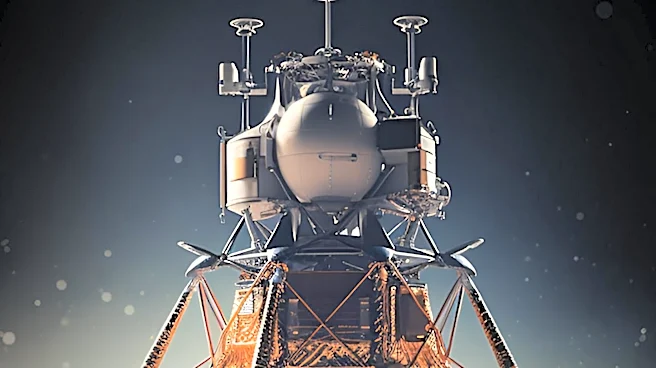
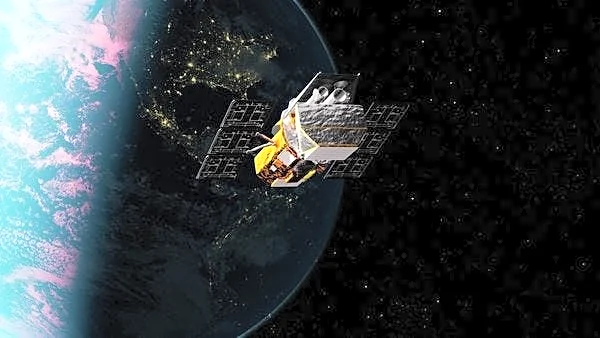
NASA's mission to rescue the Neil Gehrels Swift Observatory, a gamma-ray telescope, has been delayed due to a fault with the launch vehicle. The mission, initially scheduled for July 2, involves a spacecraft named Link, developed by Katalyst Space, which
aims to elevate the Swift Observatory to a higher orbit. Swift, launched in 2004, is losing altitude due to atmospheric drag and risks crashing into Earth. The mission is considered high-risk but potentially rewarding, as it could extend Swift's operational life and advance satellite servicing capabilities. The delay follows a previous scrubbed attempt, and NASA plans to set a new launch date after reviewing the data.
Why It's Important?
The mission is crucial for preserving the scientific capabilities of the Swift Observatory, which has been instrumental in studying gamma-ray bursts and other cosmic phenomena. Successfully boosting Swift's orbit would prevent its premature demise and allow continued observations that contribute to our understanding of the universe. Additionally, the mission represents a significant step in satellite servicing technology, potentially reducing costs compared to launching new observatories. This advancement could benefit future space missions and the satellite industry by enabling repairs and repositioning of existing satellites.
What's Next?
NASA and Katalyst Space will review the launch vehicle issue to determine a new launch date. Once launched, Link will undergo commissioning to ensure all systems are operational before attempting to rendezvous with Swift. The mission involves complex maneuvers, including using Link's robotic arms to attach to Swift and its propulsion system to elevate the telescope's orbit. If successful, Swift could continue its scientific observations for many years, depending on the longevity of its instruments.
Beyond the Headlines
The mission highlights the growing importance of satellite servicing in space exploration. As more satellites are launched, the ability to repair and refuel them could become essential for sustainable space operations. This capability could also mitigate space debris issues by extending the life of satellites and reducing the need for replacements. The mission underscores the challenges of operating in space, where unexpected factors like increased solar activity can accelerate atmospheric drag and impact satellite trajectories.