




What's Happening?
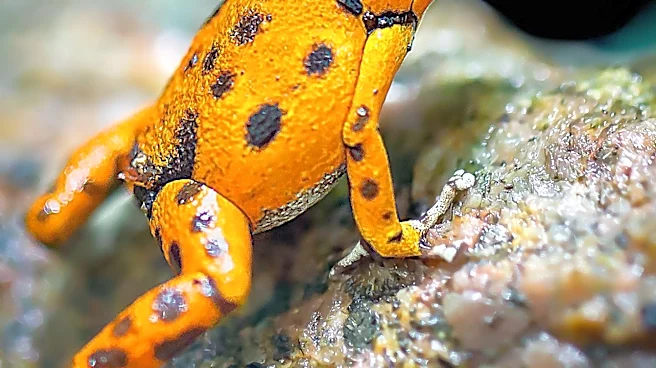
Amphibians, including frogs, toads, and salamanders, are experiencing increased susceptibility to skin infections due to stress factors such as poor husbandry, transport, and overcrowding. These stressors weaken their innate immune responses, which are heavily
temperature-dependent. Amphibians have a unique integumentary system with thin, moist, and richly vascularized skin, making them vulnerable to environmental contaminants and infectious agents. A common fungal infection affecting amphibians is chytridiomycosis, caused by Batrachochytrium dendrobatidis (Bd), which leads to symptoms like excessive skin shedding, lethargy, and erythema of the ventral skin. Treatment involves antifungal therapy and improving husbandry conditions to reduce stress.
Why It's Important?
The health of amphibians is crucial as they play significant roles in ecosystems, such as controlling insect populations and serving as indicators of environmental health. The increased susceptibility to infections due to stress highlights the importance of proper care and environmental management in captivity. This issue also underscores the broader implications of environmental changes and human activities on wildlife health. The decline in amphibian populations due to diseases like chytridiomycosis can disrupt ecological balances and lead to increased pest populations, affecting agriculture and human health.
What's Next?
Efforts to mitigate stress in captive amphibians include improving husbandry practices, such as maintaining clean water, appropriate temperatures, and reducing overcrowding. Veterinary intervention is crucial for diagnosing and treating infections early. Conservationists and researchers may focus on developing better management practices and treatments to prevent the spread of diseases like chytridiomycosis. Public awareness and education on the importance of amphibian health and conservation can also play a role in addressing these challenges.
Beyond the Headlines
The situation with amphibians highlights the ethical considerations of wildlife trade and captivity. Ensuring the welfare of these animals requires adherence to strict husbandry standards and regulations. The spread of diseases like chytridiomycosis also raises concerns about biosecurity and the potential for pathogens to affect other wildlife and ecosystems. Long-term, this issue may prompt discussions on the sustainability of keeping amphibians in captivity and the need for international cooperation in wildlife conservation efforts.