






What's Happening?
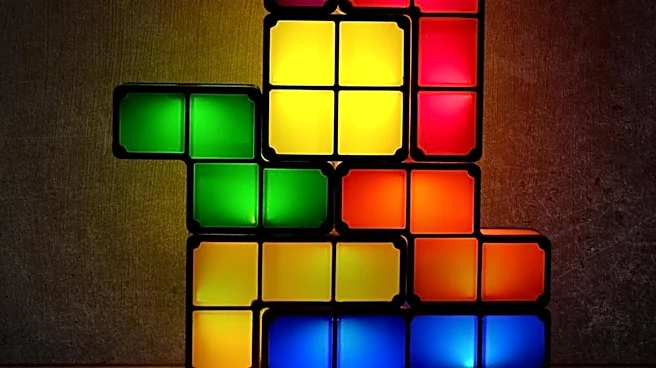
Researchers are investigating whether playing Tetris can reduce intrusive memories associated with traumatic experiences. This line of inquiry began in 2009 at the University of Oxford, where initial studies showed that individuals who played Tetris after
watching a distressing film reported fewer flashbacks. The theory behind this is that the brain has a limited capacity for visual information processing. By briefly recalling a traumatic memory and then engaging in a visually demanding task like Tetris, the game may interfere with the processes that form intrusive memories. Subsequent studies have tested this technique with individuals who have experienced real-life trauma, including NHS intensive care staff during the COVID-19 pandemic, people after traffic collisions, and those who underwent emergency caesarean births. While some results have been promising, showing a reduction in intrusive memories, other studies have yielded mixed results or found that the effects were short-lived. The technique typically involves a brief recall of the traumatic memory followed by a period of playing Tetris with 'mental rotation' instructions.
Why It's Important?
The exploration of Tetris as an intervention for traumatic memories is significant because it offers a potentially simple, low-cost, and accessible method to mitigate a distressing symptom of PTSD and C-PTSD. Current treatments for these conditions, such as trauma-focused CBT and EMDR, are effective but can have long waiting lists and may not be suitable for everyone. If proven effective, a Tetris-based technique could be deployed in immediate post-trauma settings, such as emergency departments or maternity wards, potentially preventing the full onset of PTSD symptoms. This could significantly improve early intervention strategies and reduce the long-term burden of trauma on individuals and healthcare systems. However, it is crucial to note that Tetris is not yet an established treatment, and further rigorous research is needed to confirm its efficacy, especially for long-standing trauma, and to understand the specific conditions under which it might be most beneficial.
What's Next?
Further research is needed to validate the efficacy of Tetris as an intervention for traumatic memories. Researchers are calling for larger, more traditional trials that compare the Tetris technique with alternative activities and follow participants for longer periods. This will help determine how much of the observed benefit comes directly from the Tetris technique versus other factors like increased attention or expectation of improvement. Additionally, more studies are required to ascertain if the technique is effective for individuals with long-standing PTSD, as current evidence for this group is weak. Scientists are also working to understand the precise mechanisms by which Tetris might interfere with memory consolidation. The goal is to develop a standardized, evidence-based protocol that could potentially be integrated into early intervention strategies for trauma survivors, offering a new tool in the broader spectrum of mental health support.
Beyond the Headlines
The research into Tetris as a tool for managing traumatic memories highlights a fascinating intersection of cognitive science, psychology, and gaming. It underscores the brain's plasticity and its capacity to be influenced by seemingly simple tasks. This approach moves beyond traditional pharmacological or talk therapy models, suggesting that specific cognitive loads can disrupt maladaptive memory processes. The ethical implications of such a tool are also noteworthy; if widely adopted, it would require careful implementation to ensure it complements, rather than replaces, comprehensive trauma therapy. There's also a broader cultural implication in how games, often perceived as mere entertainment, could be repurposed for therapeutic benefit, potentially destigmatizing mental health interventions by making them more accessible and less intimidating. This line of research could pave the way for other novel, non-pharmacological interventions for various psychological conditions, leveraging our understanding of cognitive processes.