


What's Happening?
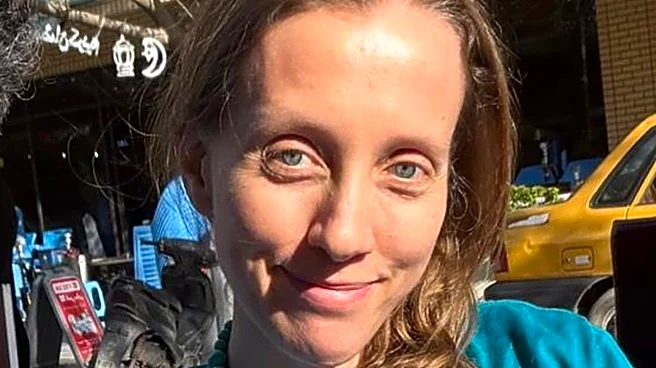
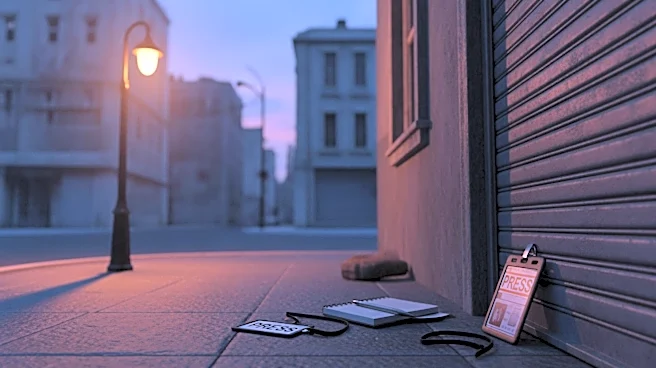
American freelance journalist Shelly Kittleson, known for her daring reporting in conflict zones, was kidnapped in Baghdad. Kittleson, who often works independently and on a tight budget, was abducted by two men at a busy intersection, as captured by surveillance
footage. She has been reporting from the Middle East for over a decade, frequently embedding herself in local communities. Despite warnings from U.S. officials about potential threats from militia groups, Kittleson continued her work, driven by a passion for journalism. Her recent work focused on the impact of the Iran war on Iraq's Kurdish region. Friends and colleagues describe her as a determined and courageous reporter, often working without the backing of a larger news organization.
Why It's Important?
Kittleson's abduction highlights the increasing dangers faced by journalists in conflict zones, particularly freelancers who lack institutional support. Her kidnapping underscores the volatile security situation in Iraq, where militia groups exert significant influence. This incident may deter other journalists from covering critical stories in the region, potentially leading to a decrease in international awareness and understanding of the complex dynamics at play. The situation also raises concerns about the safety of foreign nationals in Iraq, especially those involved in sensitive reporting. The broader implications for press freedom and the ability to report on conflict zones are significant, as such incidents can lead to self-censorship and reduced media presence in high-risk areas.
What's Next?
The response from international and local authorities will be crucial in determining the outcome of Kittleson's situation. Efforts to secure her release may involve diplomatic negotiations and increased security measures for journalists operating in Iraq. The incident could prompt media organizations to reassess their safety protocols for freelancers and consider providing more support. Additionally, there may be calls for stronger international pressure on militia groups to ensure the safety of journalists. The outcome of this situation could influence future reporting in conflict zones and the strategies employed by journalists to navigate these environments safely.