


What's Happening?
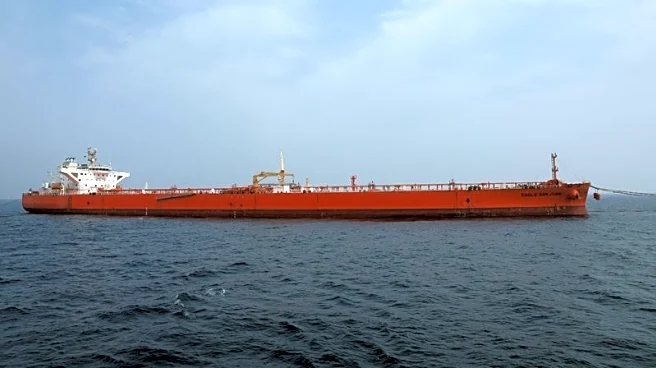
President Trump has urged international allies to take action in securing the Strait of Hormuz following recent tanker attacks that threaten global oil and LNG supplies. The Al-Salmi, a Kuwaiti crude tanker, was attacked off the coast of Dubai, exacerbating
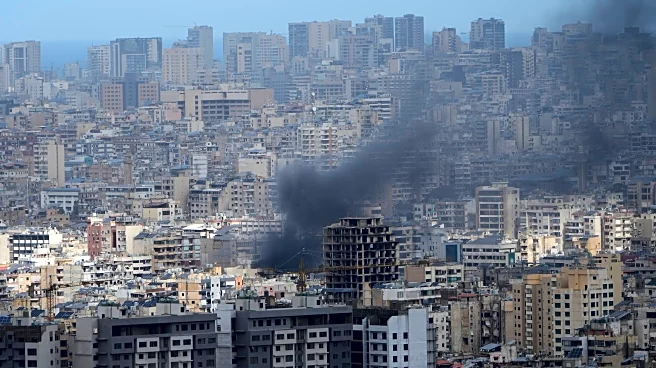
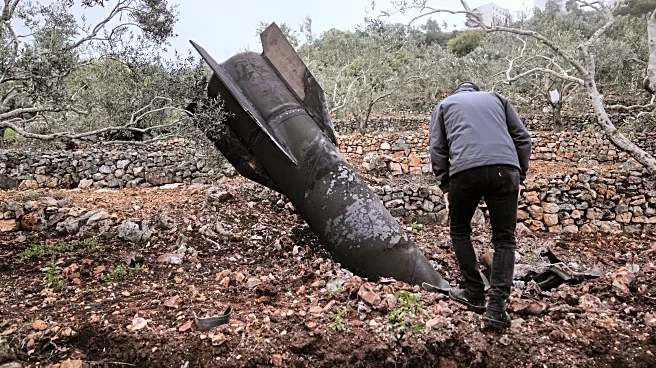
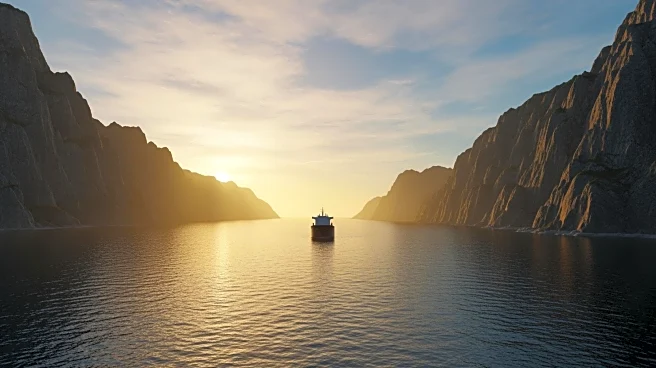
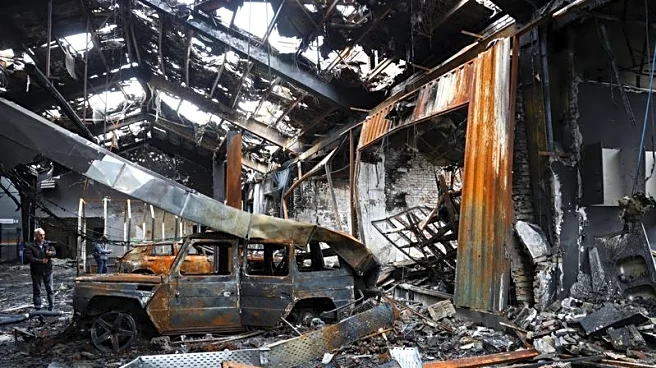
tensions in the region. Iran has launched missile strikes across the Gulf, targeting areas in the UAE, Saudi Arabia, and Iraq. The Strait of Hormuz is a critical passage for approximately one-fifth of global oil and LNG flows, and the disruption has tightened markets, with oil prices hovering near $100 per barrel. The U.S. has deployed additional forces to the Middle East, although no ground operations are planned.
Why It's Important?
The security of the Strait of Hormuz is vital for global energy markets, as it is a major conduit for oil and LNG exports. The recent attacks have heightened concerns over supply disruptions, which could lead to significant price increases if the situation is not resolved. President Trump's call for international cooperation underscores the geopolitical importance of the region and the need for a coordinated response to ensure the stability of energy supplies. The ongoing conflict with Iran poses risks not only to regional security but also to global economic stability, as prolonged disruptions could impact energy prices and availability worldwide.
What's Next?
The international community is likely to respond to President Trump's call for action, with diplomatic and possibly military measures to secure the Strait of Hormuz. The U.S. may continue to increase its military presence in the region to deter further attacks and ensure safe passage for oil tankers. Diplomatic efforts may focus on de-escalating tensions with Iran and negotiating a resolution to the conflict. Energy markets will closely monitor developments, as any prolonged disruption could have significant economic repercussions. Stakeholders, including oil companies and governments, will need to assess their strategies to mitigate risks associated with supply chain disruptions.