








What's Happening?
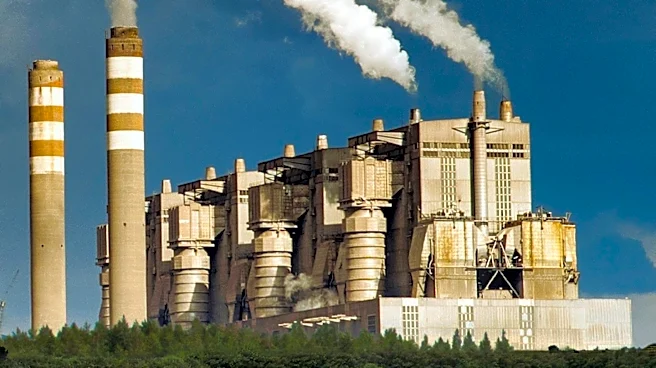
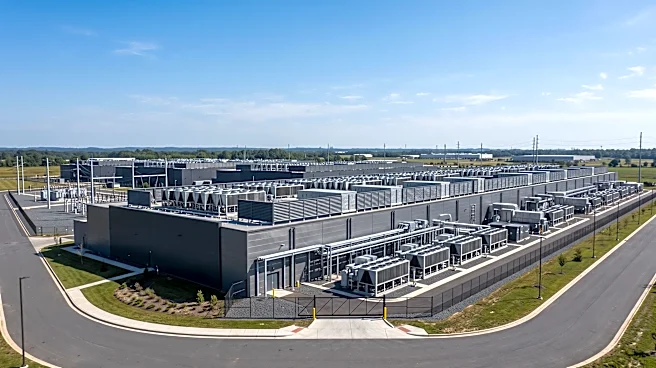
A resident of Washington County has voiced concerns regarding increased air pollution stemming from gas power plants that are being used to fuel data centers. The letter to the editor highlights that the region already experiences significant pollution from existing
massive gas processing plants in Bulger. The resident's statement suggests a growing apprehension within the community about the environmental impact of new industrial developments, specifically data centers, and their reliance on gas-fired power generation. This concern points to a potential conflict between technological expansion and environmental quality in the area.
Why It's Important?
This local concern in Washington County reflects a broader national debate about the environmental footprint of the rapidly expanding data center industry. As demand for digital services grows, so does the energy consumption of data centers, often leading to increased reliance on power sources that contribute to air pollution. For U.S. industries, particularly the tech sector, this raises questions about sustainable growth and corporate responsibility. For public policy, it highlights the challenge of balancing economic development and technological advancement with environmental protection and public health. Communities located near these facilities stand to lose from degraded air quality, potentially leading to health issues and a reduced quality of life. This issue could also influence future zoning laws and environmental regulations pertaining to industrial development and energy infrastructure.
What's Next?
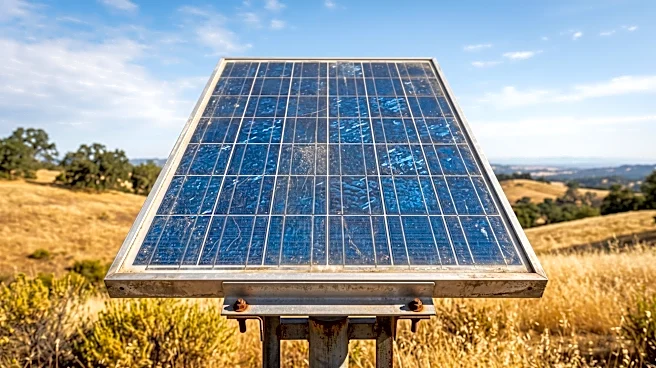
The expressed concerns from Washington County residents could lead to increased scrutiny of proposed data center projects and their energy sources. Local advocacy groups may mobilize to demand more environmentally friendly power solutions for these facilities, such as renewable energy sources. This could prompt local and state authorities to review permitting processes for data centers and gas power plants, potentially imposing stricter environmental impact assessments or requiring the use of cleaner energy alternatives. Businesses planning to establish data centers in such regions might face greater public opposition and regulatory hurdles, necessitating a shift towards more sustainable energy strategies to gain community acceptance and avoid delays.
Beyond the Headlines
The issue in Washington County touches upon the ethical implications of technological progress. While data centers are essential for modern digital life, their environmental cost, particularly when powered by fossil fuels, raises questions about the true sustainability of the digital economy. This situation could trigger a deeper conversation about energy policy, encouraging a faster transition to renewable energy sources for all industrial operations, not just data centers. It also highlights the power of local communities to influence large-scale industrial development and demand accountability from corporations and government entities regarding environmental stewardship. The long-term shift could involve a re-evaluation of where data centers are located and how they are powered, prioritizing regions with abundant renewable energy resources to minimize environmental impact.