

What's Happening?
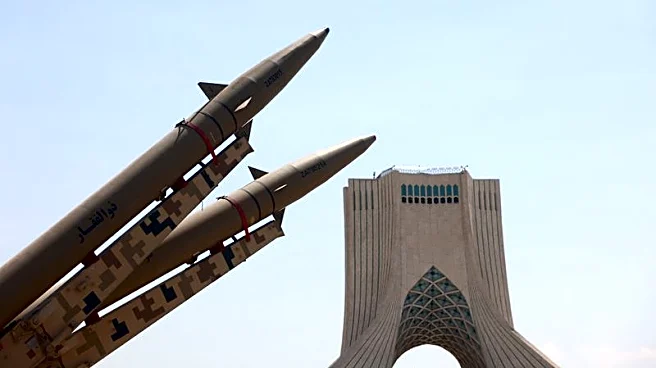
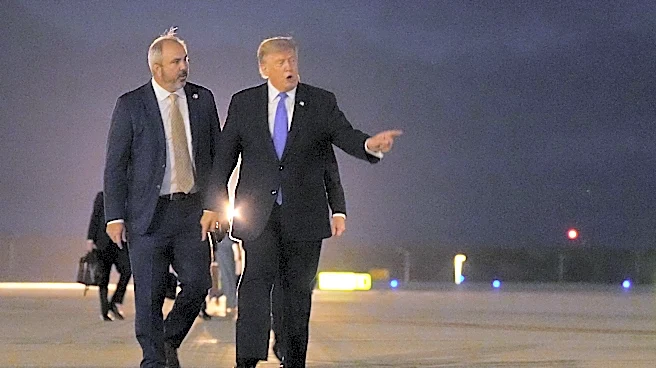
President Trump has indicated that the conflict with Iran may soon come to an end, citing Iran's limited capacity to sustain the war. Speaking from the Oval Office, he expressed optimism about ongoing negotiations related to the Strait of Hormuz, a critical
oil passageway. Trump emphasized the U.S. commitment to preventing Iran from acquiring nuclear weapons, framing the conflict as a necessary measure to avert global catastrophe. Despite these statements, Iranian officials have responded with skepticism, accusing the U.S. of 'theatre diplomacy' and maintaining a defiant stance.
Why It's Important?
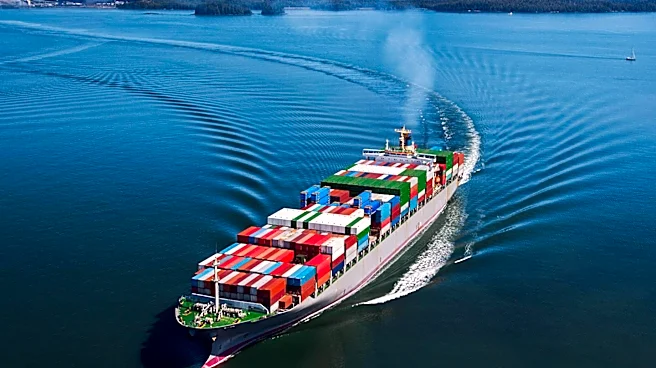
The potential resolution of the US-Iran conflict could have significant implications for global oil markets and regional stability in the Middle East. The Strait of Hormuz is a vital route for oil transportation, and any reduction in tensions could stabilize oil prices and supply. However, the deep mistrust between the U.S. and Iran poses challenges to achieving lasting peace. The situation also impacts U.S. foreign policy and its relations with allies in the region, as well as domestic political dynamics concerning military engagement and nuclear non-proliferation.
What's Next?
Continued diplomatic efforts are expected as both nations navigate the complex geopolitical landscape. The U.S. may pursue further negotiations to ensure maritime security and prevent nuclear proliferation. Iran's response and actions will be closely monitored, as will the reactions of other regional players and international stakeholders. The outcome of these negotiations could influence future U.S. foreign policy and military strategy in the Middle East.