
What's Happening?
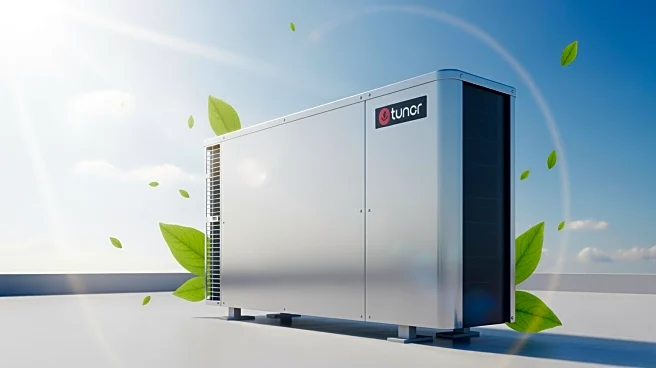
Colorado has initiated a new rebate program aimed at promoting energy efficiency through the adoption of heat pumps. The program, launched on November 13, 2025, by the Colorado Energy Office, offers up
to $14,000 in rebates for energy efficiency upgrades in single-family homes, small multi-family buildings, and mobile homes. This initiative is part of a broader effort to reduce carbon emissions and improve indoor air quality. The program is supported by federal funds and is designed to make electrification and efficiency upgrades more affordable for residents. Companies like Zero Homes are leveraging this opportunity to expand their services, providing tools to help homeowners estimate costs and savings from these upgrades.
Why It's Important?
The introduction of this rebate program is significant as it aligns with Colorado's goals to enhance energy affordability and sustainability. By incentivizing the use of heat pumps, the state aims to reduce reliance on fossil fuels, lower energy costs, and decrease carbon emissions. This move is expected to stimulate the local economy by creating jobs in the clean energy sector and supporting innovative startups. The program also addresses the high upfront costs associated with installing new HVAC systems, making energy-efficient solutions more accessible to a broader range of homeowners. This initiative reflects a growing trend among U.S. states to prioritize clean energy solutions despite varying federal energy policies.
What's Next?
As the program gains traction, it is likely to encourage more homeowners to transition to energy-efficient systems, potentially leading to increased demand for heat pumps and related technologies. Companies like Zero Homes are expected to expand their operations and partnerships with utilities and contractors, further driving the adoption of clean energy solutions. The success of this program could serve as a model for other states looking to implement similar initiatives. Additionally, the program's impact on reducing carbon emissions and energy costs will be closely monitored, potentially influencing future energy policies and rebate programs at both state and federal levels.
Beyond the Headlines
The rebate program not only supports environmental goals but also has broader implications for public health and economic equity. By improving indoor air quality and reducing energy costs, the program can enhance the quality of life for residents, particularly in low-income communities. Furthermore, the focus on cold-climate heat pumps represents a technological advancement that could transform energy consumption patterns in colder regions. This initiative also highlights the role of state-level actions in driving national progress towards clean energy, showcasing how local policies can effectively address global challenges like climate change.