
What's Happening?
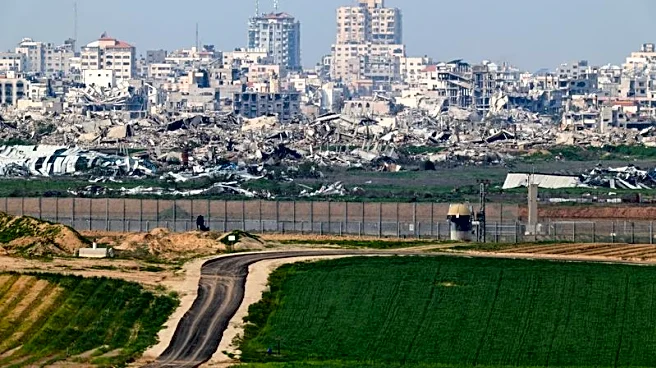
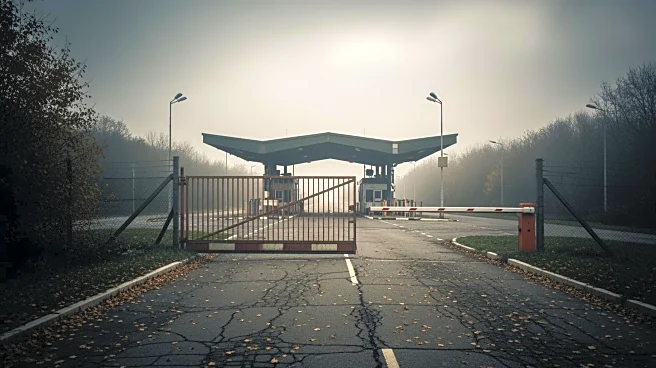
Israeli officials have stated that the Rafah crossing between Gaza and Egypt will not open until the return of the last remaining hostage, Sgt. First Class Ran Gvili. Despite operational plans being in place,
the crossing's reopening is contingent on political decisions. The crossing would allow limited movement of people, not goods, under strict security protocols. The European Union Border Assistance Mission would oversee operations, with Israeli security conducting remote oversight. This development is part of President Trump's broader Gaza plan, which aims to progress to its second phase.
Why It's Important?
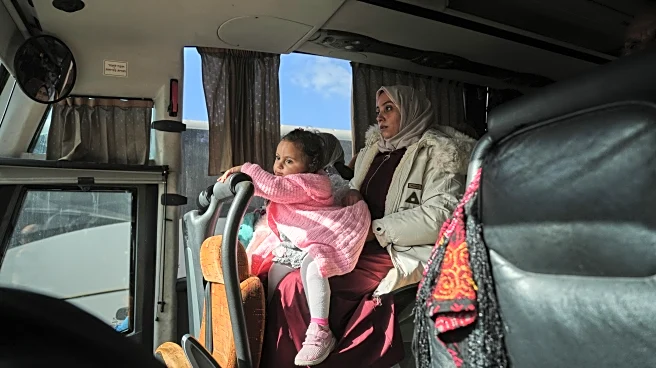
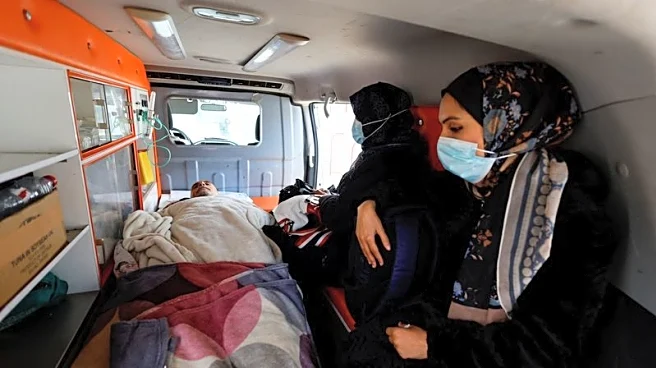
The reopening of the Rafah crossing is a critical component of easing the humanitarian situation in Gaza. It would facilitate the movement of civilians, including the sick and wounded, and potentially reduce tensions by allowing some normalcy in daily life. However, the security concerns and political conditions tied to the crossing highlight the complexities of the peace process. The decision impacts regional stability and reflects the broader geopolitical dynamics involving Israel, Egypt, and international stakeholders.
What's Next?
The next steps depend on the political leadership's decision regarding the hostage's return. If approved, the crossing could open, subject to security checks and international oversight. The situation remains fluid, with potential announcements from President Trump influencing the timeline. Continued diplomatic efforts are necessary to address security concerns and facilitate the crossing's operation. The international community will be watching closely, as the crossing's status is a barometer for the peace process's progress.