







What's Happening?
El Camino College's Board of Trustees has approved additional funding for its virtual mental health services, specifically allocating an extra $33,000 from Fund 12 to the telehealth service BetterMynd. This supplement increases the original budget of $200,000,
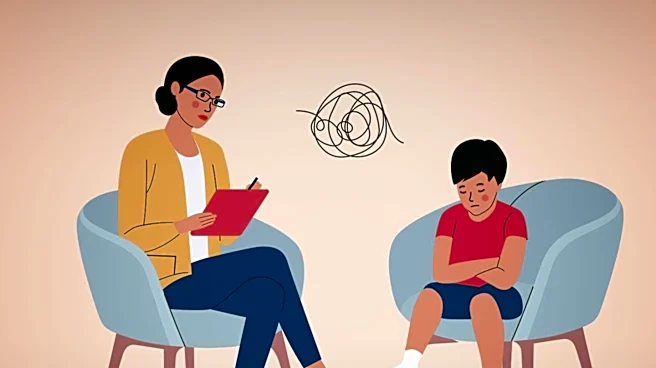
providing 300 more therapy sessions for students. The decision comes in response to a significant demand for mental counseling among students, which has led to waitlists due to a shortage of available therapists. BetterMynd partners with El Camino College to offer students free access to virtual mental health care, including 50-minute therapy sessions. Students are eligible for six free therapy visits per academic year, usable either on campus or virtually. The college also provides access to the Soluna App, a mental health and well-being application funded by the state of California and free to the community. Susan Nilles, faculty coordinator and nurse practitioner at the Student Health Center, highlighted the ongoing mental health crisis in California and nationwide, which gained prominence during the 2019 pandemic, as a key driver for expanding these resources.
Why It's Important?
This increased investment in virtual therapy services by El Camino College underscores a growing recognition of the mental health challenges faced by college students across the U.S. The allocation of additional funds directly addresses the issue of accessibility, aiming to reduce wait times and ensure more students receive timely support. By expanding virtual options, the college is adapting to student preferences, as many find online therapy more convenient and less intimidating than in-person sessions. This initiative is crucial for student retention and academic success, as untreated mental health issues can significantly impact a student's ability to learn and thrive. The funding also reflects a broader trend in educational institutions prioritizing student well-being as an integral part of their mission, potentially influencing other colleges to bolster their mental health resources. The availability of state-funded apps like Soluna further demonstrates a multi-faceted approach to mental wellness, leveraging technology to provide scalable support.
What's Next?
Following the increased funding, El Camino College anticipates a reduction in wait times for therapy services and an increase in the number of students accessing mental health support through BetterMynd. The Student Health Center will likely continue to promote these resources, encouraging students to utilize the available virtual and on-campus options. There may be further evaluations of the program's effectiveness, potentially leading to future adjustments in funding or service offerings based on student needs and utilization rates. Other educational institutions facing similar mental health demands may look to El Camino College's model as a case study for implementing or expanding their own virtual therapy programs. The ongoing mental health crisis among young people suggests that demand for such services will remain high, prompting continuous efforts from colleges and state initiatives to provide accessible and effective mental health care.
Beyond the Headlines
The expansion of virtual therapy services at El Camino College highlights a significant shift in how mental health care is delivered and perceived within academic settings. It reflects a broader societal move towards destigmatizing mental health issues and embracing digital solutions for healthcare access. The preference for online therapy, as noted by students, points to evolving comfort levels with technology for personal and sensitive matters, which could reshape the future of counseling. This trend also raises questions about the long-term integration of AI-powered mental health apps and telehealth platforms into mainstream healthcare, particularly for younger demographics. Furthermore, the initiative underscores the critical role of state funding and institutional commitment in addressing public health crises, suggesting a potential blueprint for collaborative efforts between government, educational bodies, and private telehealth providers to create a more robust mental health infrastructure.