





What's Happening?
NASA's Earth Observatory has reported significant changes in marine life in the Pacific Ocean due to the ongoing El Niño phenomenon. As of June 2026, El Niño has led to warmer-than-normal water temperatures in the equatorial Pacific, affecting atmospheric
and oceanic circulation patterns. This has resulted in altered marine ecosystems, with noticeable reductions in chlorophyll concentrations, indicating a decline in phytoplankton abundance. These changes are attributed to weakened trade winds and reduced upwelling of nutrient-rich waters, crucial for phytoplankton growth. The phenomenon is expected to persist through early 2027, with potential further impacts on marine food webs, including fish, seabirds, and marine mammals.
Why It's Important?
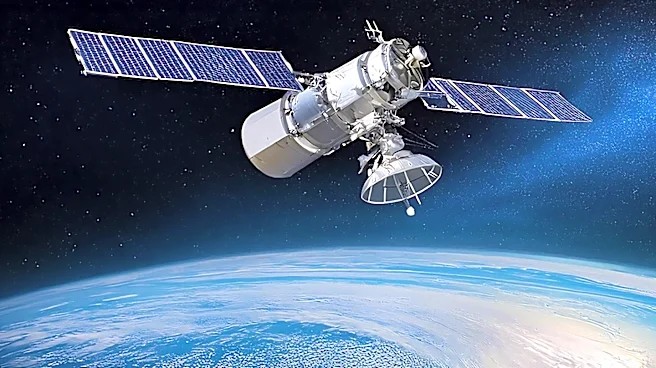
The ongoing El Niño event has significant implications for marine ecosystems and the fishing industry, particularly in regions like Peru, where anchovy fisheries have historically suffered during such events. The reduction in phytoplankton affects the entire marine food chain, potentially leading to economic losses for fisheries and impacting food security. Understanding these changes is crucial for developing strategies to mitigate the effects on marine biodiversity and coastal economies. Additionally, the data collected by NASA's PACE satellite provides valuable insights into the ecological impacts of climate phenomena, aiding in future climate modeling and policy-making.
What's Next?
As El Niño continues, scientists anticipate more pronounced ecological changes in the Pacific. The ongoing monitoring by NASA's PACE satellite will provide critical data to understand the full extent of these impacts. Researchers aim to study specific phytoplankton communities' responses to El Niño, which could inform conservation efforts and adaptive strategies for affected industries. The potential for a post-El Niño 'chlorophyll rebound' offers some hope for recovery, but the timing and extent of such a rebound remain uncertain. Policymakers and industry stakeholders will need to prepare for continued disruptions and explore sustainable practices to support affected communities.