








What's Happening?
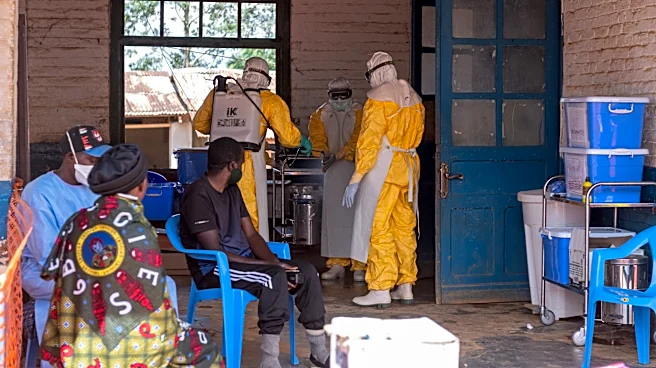
The Bundibugyo virus disease (BVD) outbreak in the Democratic Republic of the Congo is rapidly evolving, with a significant increase in confirmed cases and deaths. As of June 6, 2026, there are 515 confirmed cases and 91 deaths in the Democratic Republic of the Congo,
while Uganda has reported 19 confirmed cases and two deaths. The outbreak has spread across borders, with evidence of both imported infections and secondary transmission among contacts and healthcare workers in Uganda. In response, national authorities, in collaboration with the World Health Organization (WHO) and partners, have launched a comprehensive response plan. The Africa Centres for Disease Control and Prevention (Africa CDC) and WHO have initiated a joint Ebola continental preparedness and response plan, seeking $518 million to support African countries in preparing for, detecting, and responding to the outbreak.
Why It's Important?
The escalation of the Bundibugyo virus outbreak poses a significant public health challenge, particularly in regions with limited healthcare infrastructure. The rapid spread and high case fatality rates underscore the urgent need for international support and resources to contain the outbreak. The involvement of WHO and Africa CDC highlights the global health community's recognition of the potential for widespread transmission and the necessity for coordinated efforts. The outbreak's impact extends beyond health, affecting economic stability and social structures in the affected regions. The response plan aims to mitigate these impacts by enhancing surveillance, improving healthcare delivery, and ensuring timely access to necessary resources.
What's Next?
The next steps involve scaling up testing and diagnostic capacities to manage the backlog of samples and improve case detection. Efforts will focus on strengthening surveillance and response activities, particularly in areas with security challenges that hinder access to healthcare facilities. Collaboration with local leaders and communities is crucial to ensure effective implementation of response measures and to address the socio-cultural factors influencing the outbreak's spread. The international community's financial and logistical support will be vital in sustaining these efforts and preventing further cross-border transmission.