









What's Happening?
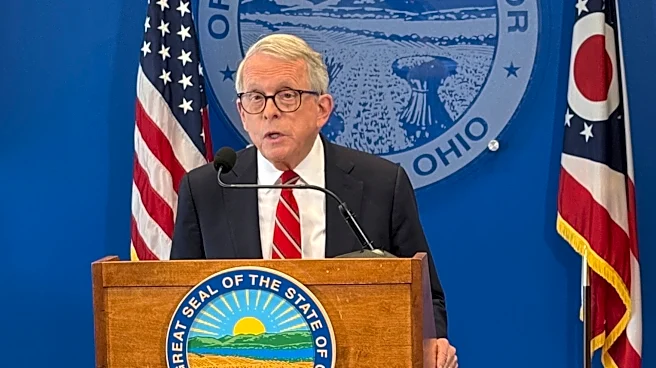
Ohio has joined a growing number of states in revising its policies on commercial driver's licenses (CDLs) for foreign-born drivers. The state is downgrading CDLs for approximately 1,200 drivers whose documentation no longer meets updated federal requirements.
This move is part of a broader federal initiative to tighten eligibility for non-domiciled CDLs, which are issued to drivers legally authorized to work in the U.S. but who are not permanent residents. The changes follow a nationwide audit by the U.S. Department of Transportation, which found compliance issues in several states. Ohio's actions reflect a national trend towards stricter oversight of CDL issuance, with other states like Oregon, Pennsylvania, and Texas also implementing similar measures.
Why It's Important?
The tightening of CDL regulations has significant implications for the U.S. trucking industry, which relies heavily on foreign-born drivers. The new rules could lead to a reduction in the available workforce, potentially impacting supply chains and logistics operations across the country. The federal government's push for stricter compliance aims to enhance road safety and ensure that all CDL holders meet legal and regulatory standards. However, these changes may also raise concerns about labor shortages and the economic impact on industries dependent on trucking services.
What's Next?
As states continue to adjust their CDL policies, further legal and regulatory challenges may arise. The trucking industry and affected drivers are likely to advocate for more balanced regulations that address safety concerns without disproportionately affecting the workforce. Ongoing federal audits and enforcement actions will likely lead to additional states revising their CDL programs, potentially resulting in broader changes to national transportation policies.