




What's Happening?
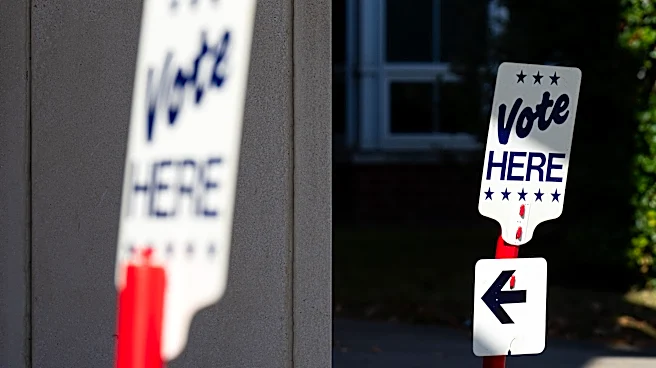
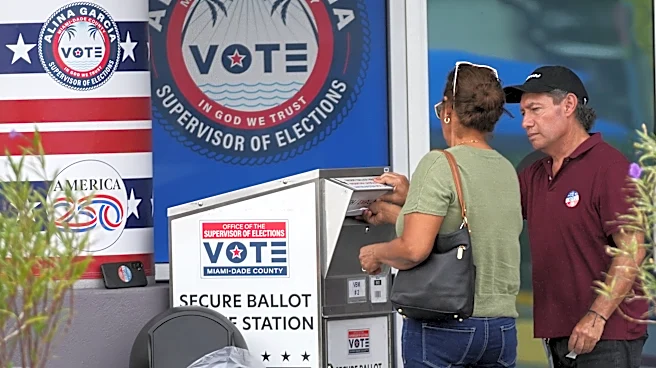
Voters in Richmond, Virginia, have approved a 1% sales tax increase dedicated to funding school construction, renovation, and major maintenance projects. The measure, which was on the ballot for the first time this year, passed by a wide margin in Richmond, with
nearly 68% of voters supporting it. This increase raises the sales tax in Richmond to 7% and is projected to remain in effect for the next 20 years. The revenue generated from this tax, estimated to be around $850 million over its lifespan in Richmond, is legally restricted to capital projects for schools and cannot be used for operating expenses, salaries, or other non-capital costs. Richmond officials anticipate that a significant portion of this tax will be paid by visitors to the city, as it applies to most retail items but excludes groceries and hygiene products. Mayor Avula and Richmond School Board Chair Shavonda Fernandez expressed gratitude for the voters' support, highlighting the potential to address long-standing inequities and facility issues, such as recent mold problems in Richmond Public Schools.
Why It's Important?
This sales tax increase represents a significant financial commitment by Richmond voters to their public education infrastructure. The allocation of an estimated $850 million specifically for school construction and maintenance projects could lead to substantial improvements in the learning environment for students, addressing issues like aging facilities and mold. This initiative also reflects a broader trend in local governance where communities seek dedicated funding streams for critical public services, often through sales taxes that can distribute the financial burden more broadly, including to non-residents. For Richmond, this could alleviate pressure on the general fund and potentially allow for other tax adjustments, as Mayor Avula had previously suggested the possibility of lowering meals and real estate taxes. The success of this measure in Richmond, compared to its narrow passage in Chesterfield and rejection in other localities, underscores varying community priorities and fiscal approaches to education funding across the state.
What's Next?
With the 1% sales tax for schools now approved, Richmond city officials and the Richmond Public Schools (RPS) are set to develop a detailed plan for utilizing the projected $850 million in funding over the next two decades. Mayor Avula has promised more details soon, and Richmond School Board Chair Shavonda Fernandez anticipates a clear line of sight into the facility modernization plan by the spring of next year. Initial projects on the agenda include the technical center and Woodville Elementary School. The implementation of this tax will raise the sales tax to 7% for consumers in Richmond. The city will also need to monitor the impact of the tax, particularly on local businesses and consumer spending, while ensuring the funds are strictly used for their intended purpose under Virginia law. The long-term success of this initiative will depend on transparent oversight and effective project management to deliver the promised improvements to school infrastructure.
Beyond the Headlines
The approval of a dedicated sales tax for school infrastructure in Richmond highlights a persistent challenge faced by many U.S. cities: how to adequately fund public education in the face of aging facilities and growing needs. This approach, which earmarks specific tax revenue for a particular purpose, reflects a strategy to bypass general fund constraints and ensure direct investment in schools. The emphasis on visitors contributing to the tax base through retail purchases also points to a common economic development strategy, aiming to fund local services without solely burdening residents. However, such taxes can also spark debates about equity and the regressive nature of sales taxes, which disproportionately affect lower-income households. The long-term success of this model in Richmond could influence other localities grappling with similar educational funding dilemmas, potentially setting a precedent for how communities invest in their future through targeted taxation.