


What's Happening?
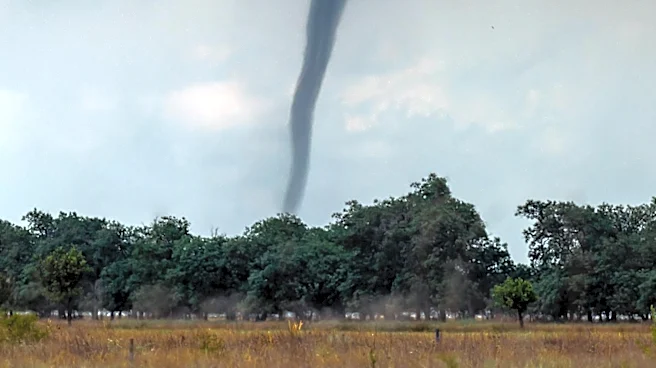
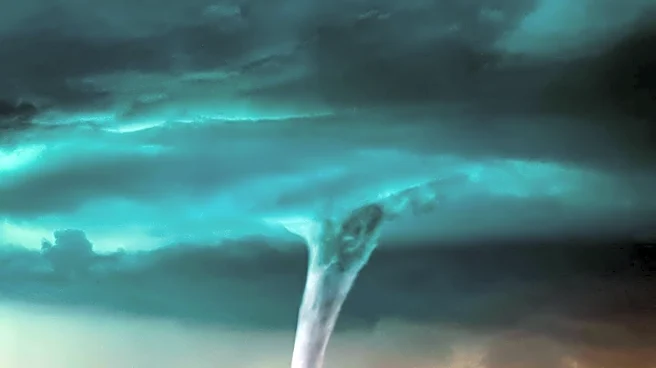
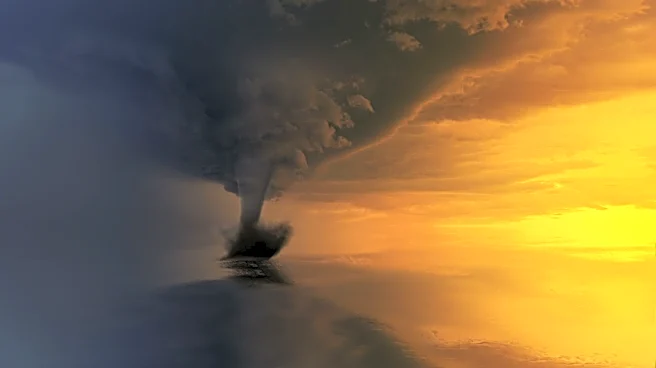
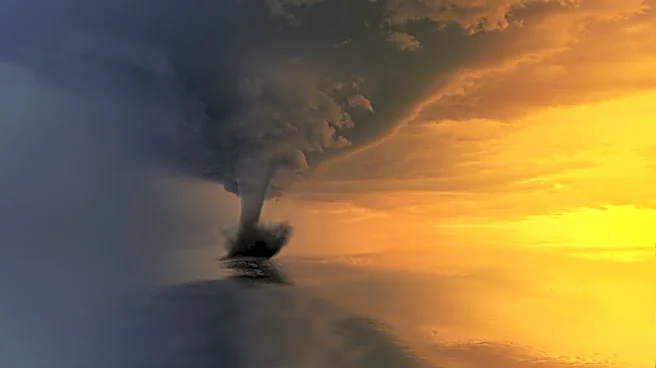
New York City and its surrounding areas recently experienced rare tornado activity, with a twister touching down in Nassau County on Long Island and another possibly hitting the Rockaways in Queens. The Long Island tornado originated as a tornadic waterspout
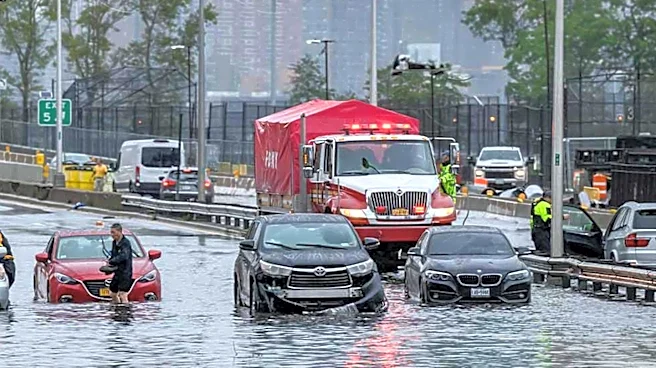
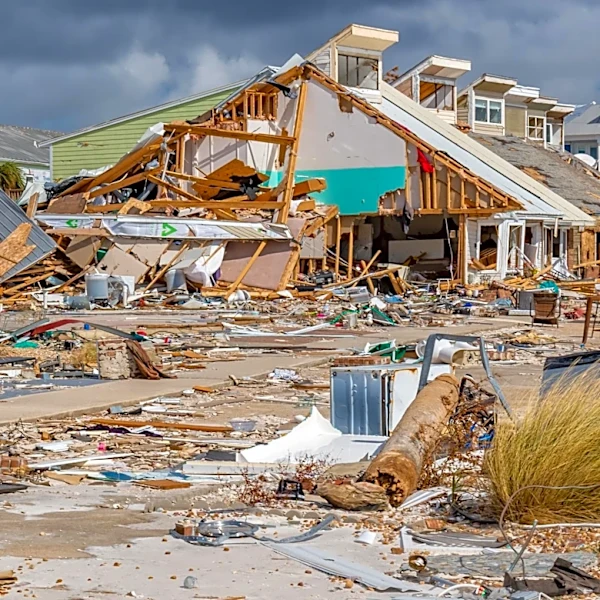
over water before moving onshore, causing damage to buildings and cabanas. While tornadoes are common in the central and southeastern U.S., they are infrequent in the New York City region. The National Weather Service (NWS) meteorologists attribute these events to specific atmospheric conditions: an unstable, moist atmosphere combined with storm rotation. These conditions also led to significant rainfall, with four to five inches in the worst-hit areas, resulting in widespread flash flooding. NWS teams are currently investigating the damage to determine the tornadoes' duration, width, and wind strength, and to confirm the second possible touchdown.
Why It's Important?
The occurrence of tornadoes in the New York City area, though not unprecedented, is significant due to its rarity and potential for substantial damage in a densely populated region. This event highlights the vulnerability of urban infrastructure to extreme weather phenomena that are becoming more frequent or intense due to changing climate patterns. For residents, it underscores the importance of preparedness for diverse weather threats, moving beyond typical concerns like blizzards or hurricanes. Economically, the damage to property and potential disruptions to transportation and utilities can incur significant costs for recovery and rebuilding. It also prompts a reevaluation of emergency response protocols and urban planning strategies to better mitigate the impact of such events. The event serves as a reminder that even areas not traditionally associated with tornadoes can be affected when atmospheric conditions align.
What's Next?
NWS teams will continue their investigations to officially confirm the second tornado and assess the full extent of the damage. This data will be crucial for understanding the specific characteristics of these rare New York City tornadoes. Local authorities will likely review and update emergency preparedness plans, public warning systems, and building codes to account for the increased risk of such events. There may be discussions about long-term climate adaptation strategies for the region, including infrastructure improvements to withstand more varied and intense weather. Public awareness campaigns might also be launched to educate residents on tornado safety procedures. Scientists will analyze these events to better understand how climate change might be influencing weather patterns in the Northeast, potentially leading to more frequent occurrences of severe weather previously uncommon to the area.
Beyond the Headlines
The recent tornadoes near New York City underscore a broader narrative about climate change and its localized impacts. While individual weather events cannot be solely attributed to climate change, the increasing frequency and intensity of extreme weather phenomena globally suggest a shifting climate. This event challenges the perception that certain regions are immune to specific types of natural disasters, prompting a reevaluation of climate resilience strategies in urban environments. It also highlights the psychological impact of unexpected natural disasters on a population accustomed to different weather challenges. The public's surprise and social media reactions reflect a gap in understanding about the potential for diverse weather threats. This incident could serve as a catalyst for greater public and governmental engagement with climate science and adaptation efforts, emphasizing the need for proactive measures rather than reactive responses to evolving environmental risks.