






What's Happening?
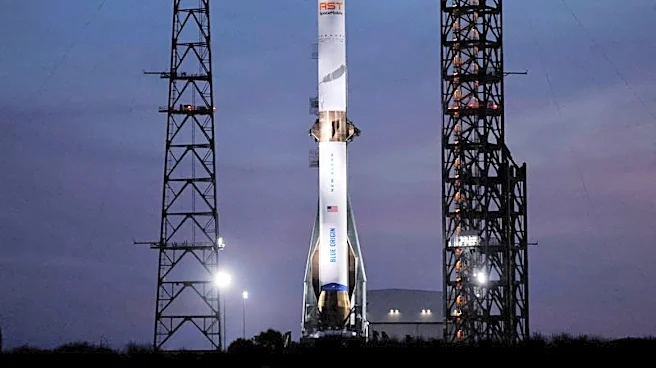
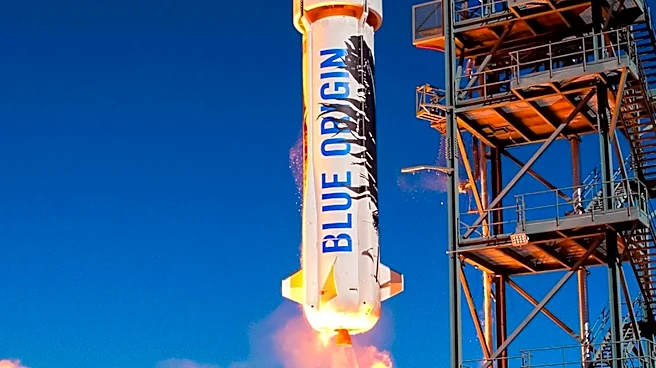
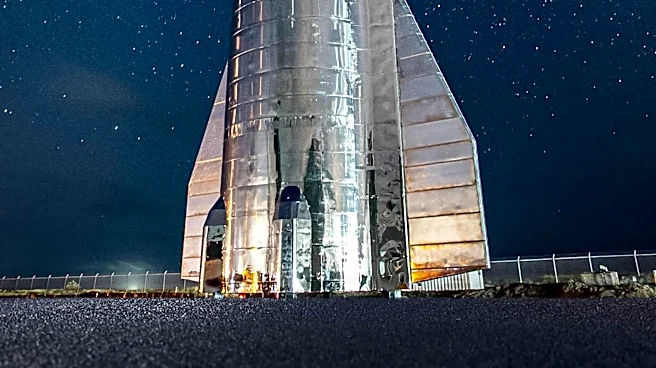
NASA has announced a new 10-year contract, Commercial Lunar Payload Services 2 (CLPS 2), making eight companies eligible to compete for up to $10 billion in lunar delivery work. The selected companies are Blue Origin, Firefly Aerospace, Intuitive Machines,
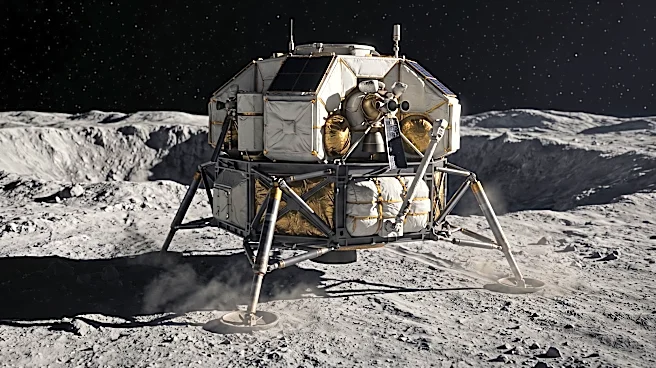
iSpace US, Lockheed Martin Space, Northrop Grumman Space Systems, SpaceX, and Voyager Technologies. This contract is structured as a multiple-award, indefinite-delivery/indefinite-quantity framework, meaning the $10 billion is a maximum ceiling for future task orders, not an immediate award to any single entity. Companies will earn revenue only when they win individual delivery jobs issued by NASA. The CLPS 2 contract aims to support the cargo-lander network essential for NASA's Moon Base initiative, explicitly covering the delivery of infrastructure payloads like power and communications gear, in addition to science and technology instruments. This announcement was made at the MAX POWER aerospace expo and air show at Kennedy Space Center in Florida, reinforcing NASA's goal of establishing a permanent presence near the lunar south pole.
Why It's Important?
This $10 billion contract signifies a major shift in NASA's approach to lunar exploration, moving from experimental missions to establishing a robust commercial supply chain for a permanent Moon Base. By pre-qualifying a diverse pool of eight vendors, NASA aims to foster competition, drive innovation, and ensure a reliable cadence of cargo deliveries. This initiative provides a long-term demand signal for the commercial space industry, particularly for lander manufacturers and their suppliers, potentially attracting more private capital and accelerating technological advancements in lunar logistics. The inclusion of both established aerospace primes and newer lander specialists indicates NASA's desire for a range of capabilities, from small, cost-effective deliveries to heavy-lift options. This framework is crucial for the Artemis program, as it ensures that essential infrastructure and scientific equipment will be on the lunar surface before astronauts arrive, de-risking future crewed missions and enabling sustained human presence on the Moon.
What's Next?
In the immediate future, the eligible companies will compete for individual task orders as NASA identifies specific delivery needs for the Moon Base. While the original CLPS contract remains active until November 2028, with its maximum value increased to $4.2 billion, new orders are expected to gradually transition to the CLPS 2 framework. NASA has already announced several related awards, including a $94 million contract to Blue Origin for delivering the PROMISE south-pole rover and contracts for lunar power and communications tower components, indicating the types of infrastructure payloads CLPS 2 vendors will be tasked with. Companies with existing flight heritage, such as Firefly and Intuitive Machines, may have an early advantage in securing initial task orders. The coming years will likely see increased competition among the eight providers to demonstrate their lander capabilities and secure their share of the lunar delivery market, with a focus on proving reliability and meeting the demanding conditions of polar lunar landings.
Beyond the Headlines
The CLPS 2 contract represents a strategic pivot for NASA, mirroring its successful commercial cargo and crew programs for the International Space Station. By outsourcing lunar delivery services, NASA transfers hardware development and operational risks to commercial partners, allowing the agency to focus on scientific objectives and overall mission architecture. This approach fosters a more dynamic and cost-effective space economy, encouraging private investment and innovation. However, it also introduces new challenges, such as managing multiple vendors, ensuring interoperability of payloads, and mitigating the risks associated with commercial lander failures. The long-term implications include the potential for a thriving lunar economy, with commercial entities not only supporting NASA but also developing independent lunar services. This framework could also accelerate the development of technologies for in-situ resource utilization and sustainable lunar operations, paving the way for future deep-space exploration beyond the Moon.