





What's Happening?
The Nebraska Supreme Court has affirmed the dismissal of a lawsuit challenging the state's medical cannabis legalization laws. Former Nebraska state Senator John Kuehn (R) had filed the suit, but the high court ruled on September 11 that he lacked standing
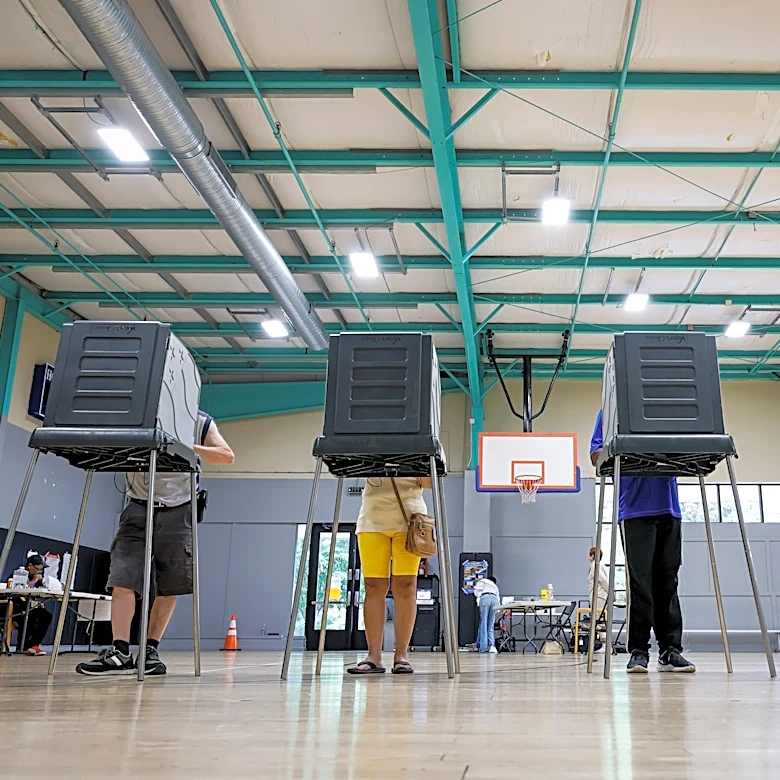
to challenge the laws. The court determined that Kuehn failed to establish taxpayer standing because the core of his dispute was the constitutionality of the laws themselves, rather than an illegal expenditure of public funds. Nebraska voters approved two ballot measures in November 2024 that legalized medical cannabis by removing penalties for possession and use, and for its production and distribution. These measures also established a state regulatory commission to oversee the new cannabis framework.
Why It's Important?
This ruling is significant for the future of medical cannabis in Nebraska, as it effectively clears a legal hurdle for the implementation of the voter-approved laws. By dismissing the challenge based on a lack of standing, the Nebraska Supreme Court has allowed the state's medical cannabis program to move forward without further immediate legal obstruction from this particular lawsuit. This decision reinforces the will of the voters who approved the ballot measures in 2024. For patients seeking medical cannabis, this means continued progress towards legal access. For the state, it signifies the ability to proceed with establishing the regulatory commission and framework necessary for the safe and controlled distribution of medical cannabis, potentially creating new economic opportunities and tax revenues within the state.
What's Next?
With the Nebraska Supreme Court's decision, the state is expected to continue with the implementation of the medical cannabis laws approved by voters in November 2024. This will involve the establishment and operationalization of the state regulatory commission, which is tasked with overseeing the production, distribution, and use of medical cannabis. The commission will need to develop and enforce regulations, issue licenses, and ensure compliance with state law. While this specific legal challenge has been resolved, it is possible that other legal or political challenges could emerge as the state moves forward with its new cannabis framework. However, for now, the path is clearer for Nebraska to develop its medical cannabis program.
Beyond the Headlines
This case highlights the ongoing legal and political complexities surrounding cannabis legalization in the United States, even after voter approval. The concept of 'taxpayer standing' is a critical legal principle that often determines who can challenge government actions in court. The court's decision underscores the judiciary's role in interpreting the scope of such standing, particularly when constitutional questions are at play rather than direct misuse of public funds. This ruling could influence how future challenges to voter-approved initiatives are framed and litigated in Nebraska and potentially other states. It also reflects a broader national trend where states are increasingly navigating the implementation of cannabis laws despite federal prohibition, leading to a patchwork of state-specific regulations and legal interpretations.