










What's Happening?
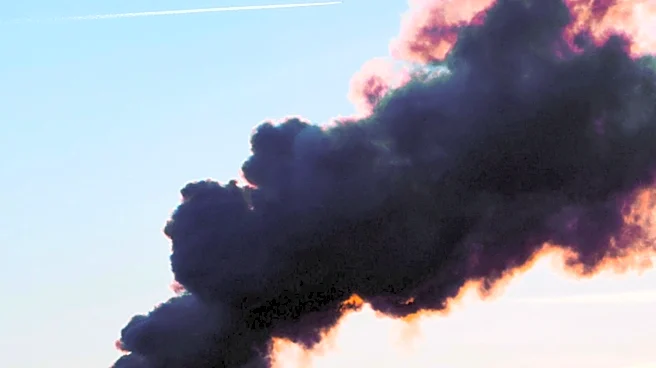
Russia has announced a ban on diesel exports as a response to domestic fuel shortages caused by Ukrainian drone attacks on its oil refineries. These attacks have led to significant disruptions in the supply of diesel and gasoline, resulting in long lines
at fuel stations across various regions. Deputy Prime Minister Alexander Novak stated that the ban is intended to stabilize the domestic market by increasing local fuel supplies. The export ban, which affects producers of diesel fuel, is set to remain in effect until July 31. This move comes as Russia's seaborne diesel and gasoil exports had already seen a significant decline in June, dropping by 39% from the previous month. The main importers of Russian diesel, such as Turkey and Brazil, have been absorbing a substantial portion of the available cargoes, while new importers like Morocco, Egypt, and Senegal have emerged.
Why It's Important?
The ban on diesel exports by Russia is a significant development with potential global economic implications. As a major exporter of diesel, Russia's decision to halt exports could lead to increased diesel prices worldwide, affecting industries reliant on diesel fuel. The move also highlights the ongoing impact of the conflict between Russia and Ukraine on global energy markets. For the U.S., this could mean higher fuel prices and increased pressure on domestic energy policies. Additionally, the situation underscores the vulnerability of global supply chains to geopolitical tensions and conflicts, prompting countries to reassess their energy security strategies.
What's Next?
The immediate consequence of Russia's export ban is likely to be a tightening of global diesel supplies, which could drive up prices further. Countries that rely heavily on Russian diesel may need to seek alternative sources, potentially leading to shifts in trade patterns. The U.S. and other nations may respond by increasing their own production or seeking new trade agreements to mitigate the impact. Additionally, the situation may prompt further discussions on energy independence and the need for diversified energy sources to reduce reliance on volatile regions.