





What's Happening?
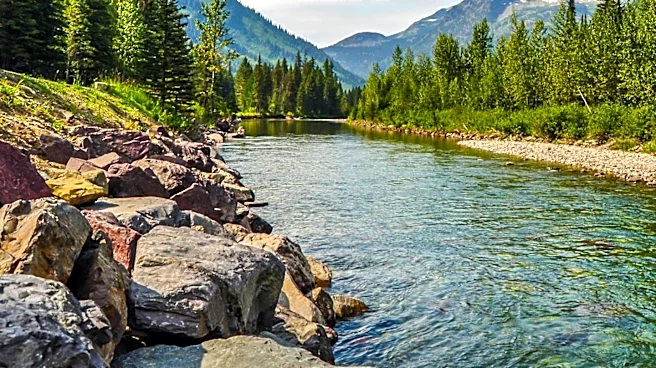
U.S. Representative Ryan Zinke (MT-01) has announced his intention to introduce the 'A River Runs Through It Act' in Congress. This legislation aims to combine multiple proposals into a single, comprehensive plan for land management in western Montana,
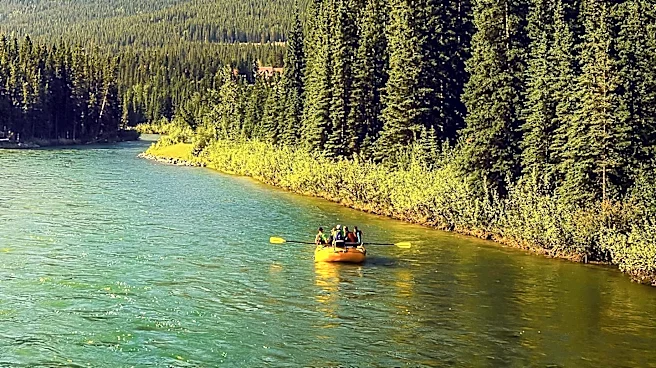
focusing on both conservation and recreation. The act includes provisions for adding nearly 100,000 acres of Forest Service land to the Bob Marshall and Scapegoat wilderness areas, creating new wilderness on Nevada Mountain, and releasing approximately 23,000 acres of Wilderness Study Areas for timber harvest and other management practices. Additionally, the bill designates six 'forest restoration areas' across roughly 180,000 acres for timber harvest, thinning, and wildfire risk reduction, and establishes six new recreation areas totaling about 60,000 acres for activities like snowmobiling, mountain biking, and off-highway vehicle use. This initiative is the culmination of over two decades of collaborative efforts by conservation organizations, sportsmen's groups, business owners, and local communities in the Seeley-Swan and Blackfoot River valleys.
Why It's Important?
This legislation is significant for Montana as it represents a locally driven approach to land management, aiming to balance economic development with environmental protection. The bill seeks to support the timber industry, reduce wildfire risks, and enhance forest health while simultaneously expanding public access and conserving iconic natural landscapes. The inclusion of new wilderness areas would be the first in 14 years for Montana, marking a substantial expansion of protected lands. Conversely, the release of Wilderness Study Areas for timber harvest could provide economic benefits to rural communities and the forest products industry. The act also addresses long-standing debates over land use, attempting to find common ground among diverse stakeholders, including conservationists, recreationists, and industry representatives. Its passage could serve as a model for collaborative land management efforts in other states facing similar challenges.
What's Next?
Representative Zinke plans to introduce the 'A River Runs Through It Act' in Congress next week, leaving approximately 40 working days before the House of Representatives adjourns its 2026 session. Given the limited time, Zinke anticipates seeking to attach the bill to an end-of-year legislative push, potentially as an amendment to a larger public lands omnibus bill that may include reauthorizations for popular bills like the Land and Water Conservation Fund and the Great American Outdoors Act. The coalition supporting the bill, including Wild Montana, is focused on securing support from the rest of Montana's all-Republican delegation and has gathered letters of support from local governments. If the bill does not pass this session, another legislator would need to champion it in the next session, as Zinke is not seeking re-election.
Beyond the Headlines
The 'A River Runs Through It Act' highlights a broader trend in U.S. land management policy: the increasing emphasis on collaborative, community-led conservation efforts. This approach contrasts with top-down legislative mandates, aiming to build consensus among local stakeholders with often competing interests. The bill's success or failure could influence future strategies for managing public lands, particularly in states with significant natural resources and diverse user groups. It also underscores the political complexities of balancing wilderness preservation with economic activities like logging and motorized recreation. The act's name, referencing Norman Maclean's famous novel, evokes a deep cultural connection to Montana's natural beauty, suggesting that such legislation carries not only practical but also symbolic weight for the state's identity and heritage.