
What's Happening?
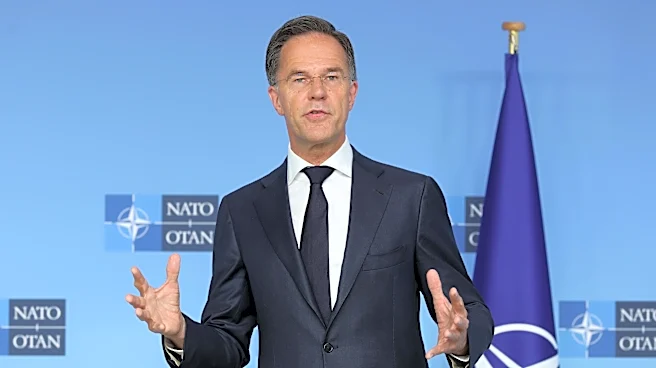
NATO Secretary General Mark Rutte has urged for closer cooperation between North American and European defense industries to translate new contracts into tangible military capabilities. Speaking via video
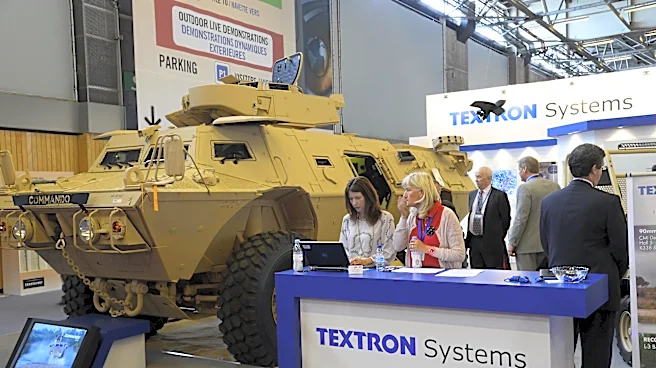
to U.S. and European industry representatives in Rome on November 12, Rutte highlighted over $50 billion in new defense purchases announced at NATO’s Summit Defence Industry Forum in Ankara in July. He emphasized that fulfilling these contracts necessitates a collaborative effort among countries, including the United States, stating, “It’s a team effort.” The U.S. Mission to NATO and the U.S. Department of Commerce organized the Rome meeting, known as the Transatlantic Defense Industry Access Forum, with the aim of expanding cooperation in defense and innovation. Rutte acknowledged the growth of defense industries across Europe, Canada, and the United States, and praised the new technologies being developed, asserting that combined efforts lead to increased production and accelerated innovation.
Why It's Important?
This call for enhanced transatlantic cooperation is critically important for the United States, as it directly impacts its defense industrial base, economic stability, and national security. Closer collaboration with European and Canadian partners can lead to more efficient resource allocation, shared technological advancements, and a stronger collective defense posture against global threats. For U.S. defense contractors, this could mean new opportunities for partnerships, joint ventures, and expanded market access, potentially boosting economic growth and job creation within the sector. Conversely, a lack of sufficient cooperation could hinder the timely delivery of crucial military capabilities, leaving gaps in defense readiness for both the U.S. and its allies. The emphasis on speeding up innovation and increasing production capacity is vital for maintaining a technological edge and ensuring that NATO forces are adequately equipped to address evolving security challenges, directly benefiting U.S. strategic interests.
What's Next?
Following Secretary General Rutte's call, the next steps will likely involve concrete actions to foster deeper collaboration between U.S. and European defense industries. This could include more frequent joint forums, streamlined regulatory processes for cross-border defense projects, and increased investment in collaborative research and development initiatives. The U.S. Department of Commerce and the U.S. Mission to NATO, having organized the recent forum, are expected to continue facilitating these discussions and partnerships. Industry leaders will need to respond by identifying areas for synergy, sharing best practices, and potentially forming new alliances to meet the demands of the announced defense purchases. The focus will be on translating the $50 billion in new contracts into actual military capabilities, which will require sustained commitment from both governments and private sector entities to overcome logistical and bureaucratic hurdles. The long-term goal is to create a more integrated and resilient transatlantic defense industrial base.
Beyond the Headlines
Beyond the immediate economic and security implications, Secretary General Rutte's emphasis on a "team effort" highlights a deeper recognition of the interconnectedness of global security. In an era of complex geopolitical challenges, no single nation, not even the United States, can effectively address all threats in isolation. This push for closer cooperation reflects a strategic understanding that shared burdens and collective innovation are essential for maintaining peace and stability. It also touches upon the ethical dimension of defense spending, ensuring that investments are not only efficient but also contribute to a more secure world. The long-term cultural shift towards greater interoperability and mutual reliance among NATO members could redefine the nature of international alliances, moving beyond mere political agreements to deeply integrated industrial and technological partnerships. This could lead to a more robust and adaptable defense ecosystem capable of responding to unforeseen future challenges.