
What's Happening?
A Caring Closet in Clark County, Washington, is significantly alleviating financial burdens for caregivers and patients by providing durable medical equipment free of charge. The organization distributes
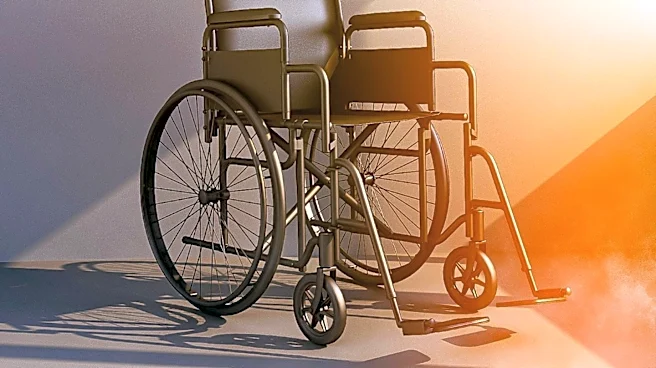
a wide range of items, including walkers, wheelchairs, commodes, and hospital beds, which are often expensive and difficult to obtain through insurance. Co-founded by Sara Scheetz and Jodie Zelazny, who observed delays in patients receiving necessary equipment and medical facilities discarding usable items, A Caring Closet has grown from garage storage to a Vancouver warehouse. The service is entirely free, operating three days a week and on the first Saturday of each month, assisting approximately 240 people on a typical Tuesday and handling over $2 million worth of used equipment annually. The organization relies heavily on its more than 50 volunteers, many of whom have personal experience with caregiving or medical needs.
Why It's Important?
A Caring Closet plays a crucial role in the Clark County community by addressing a significant gap in healthcare access and affordability. The high cost of durable medical equipment often creates financial strain for families, particularly those managing chronic illnesses, disabilities, or post-operative recovery. By providing these items for free, the organization directly reduces out-of-pocket expenses, allowing families to allocate resources to other essential needs. This service also prevents usable medical equipment from ending up in landfills, promoting sustainability and resource efficiency. The initiative highlights the challenges individuals face in navigating the healthcare system and insurance complexities, offering a straightforward solution that prioritizes patient and caregiver well-being. Its impact extends beyond financial relief, fostering a sense of community support and compassion among those who donate and those who receive assistance.
What's Next?
The co-founders of A Caring Closet, Sara Scheetz and Jodie Zelazny, have indicated that the demand for their services is substantial, necessitating expansion. To meet this growing need while maintaining their free service model, the organization requires increased volunteer support and donations. Future plans likely involve securing additional space or resources to accommodate more equipment and serve a larger population. Continued community engagement, fundraising efforts, and volunteer recruitment will be critical for their sustained operation and growth. The success of A Caring Closet could also serve as a model for other communities looking to establish similar programs to address medical equipment accessibility and affordability challenges.
Beyond the Headlines
Beyond the immediate relief it provides, A Caring Closet underscores broader systemic issues within the U.S. healthcare landscape, particularly concerning the accessibility and cost of essential medical equipment. The fact that such a service is in high demand points to gaps in insurance coverage and the often-complex bureaucratic processes involved in obtaining necessary aids. The organization's reliance on donations and volunteers highlights the power of community-led initiatives in addressing critical social needs that government or commercial entities may not fully cover. Furthermore, the emotional aspect of donating equipment, often imbued with personal memories, and the shared experiences among volunteers and recipients, reveal a profound human connection forged through acts of giving and receiving care. This model fosters a circular economy of care, where items are given new life and continue to serve those in need, reflecting a deep sense of communal responsibility.