







What's Happening?
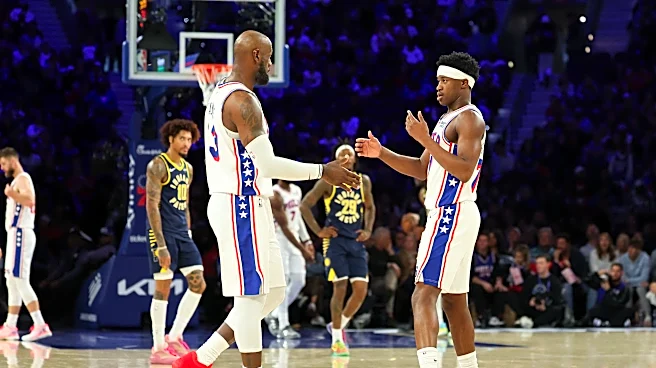
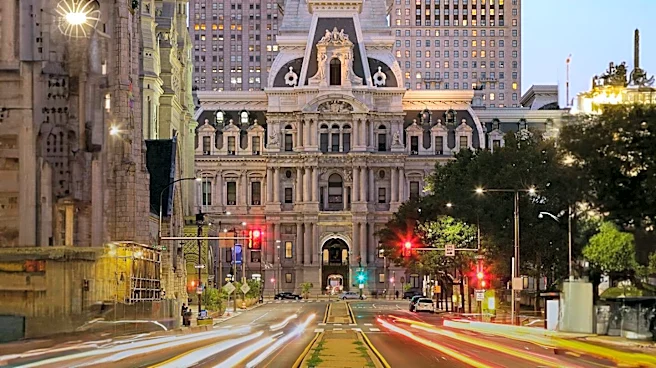
Mayor Cherelle L. Parker of Philadelphia is pushing for significant housing development on East Market Street, with a goal of creating over 2,000 new homes in the commercial corridor. This initiative follows the collapse of a proposed arena deal for the Philadelphia 76ers
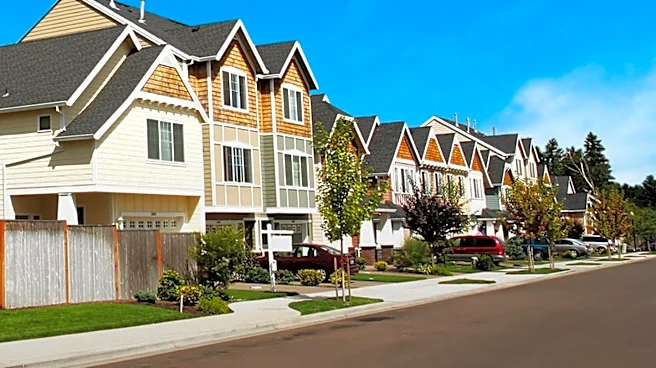
in the area. Last November, Mayor Parker established a Market East Advisory Group, comprising 60 members from various sectors, to guide the corridor's future. The administration has outlined a 'high growth' target to achieve 4,400 households on East Market within 10 years. With 1,700 existing households and an additional 620 apartments from the redevelopment of the Wanamaker building, the target requires 2,080 more units. This development aims to increase consumer demand to support existing businesses and attract new ones. However, details regarding potential incentives to attract developers have not yet been released, despite the local real estate industry struggling with falling market-rate apartment construction and high costs.
Why It's Important?
This plan is crucial for the revitalization of Philadelphia's East Market Street, a corridor that has faced challenges with declining department stores and a weak post-pandemic office market. By focusing on residential development, Mayor Parker aims to inject new life into the area, creating a more vibrant, mixed-use environment. The success of this initiative could serve as a blueprint for other cities grappling with underutilized commercial spaces and housing shortages. Increased residential density can boost local economies by providing a consistent customer base for retail and dining establishments. However, the lack of detailed incentives for developers is a significant hurdle, as current market conditions, including soaring construction costs and high interest rates, make new development challenging. The city's ability to attract developers will be key to realizing this vision and transforming a critical urban artery.
What's Next?
The Parker administration is expected to reveal more details about the East Market Street plan during Mayor Parker's December 'State of the City' address. The full plan, including specific incentives and policy prescriptions, is anticipated to be released in January, with the launch of implementation initiatives slated for February. These upcoming announcements will be critical in determining how the city plans to overcome current development challenges and attract the necessary investment. Potential tools mentioned in an October advisory board update include grants, tax abatements, below-market-rate loans, and adaptive reuse incentives. The administration's ability to present a compelling package of incentives will be crucial for engaging developers and moving the project forward, ultimately shaping the future landscape and economic vitality of East Market Street.
Beyond the Headlines
The push to transform East Market Street into a residential hub reflects a broader national trend of urban cores adapting to changing economic realities. The decline of traditional retail and office demand has forced cities to rethink land use and urban planning. This initiative in Philadelphia highlights the complex interplay between public policy, private investment, and market forces. Beyond economic revitalization, successful residential conversions can foster greater community engagement, improve public safety, and enhance the overall quality of urban life. However, challenges such as gentrification, displacement of existing businesses, and ensuring equitable access to new housing remain critical considerations. The long-term success of Mayor Parker's vision will depend not only on attracting developers but also on creating a sustainable and inclusive urban environment that benefits all residents.