




What's Happening?
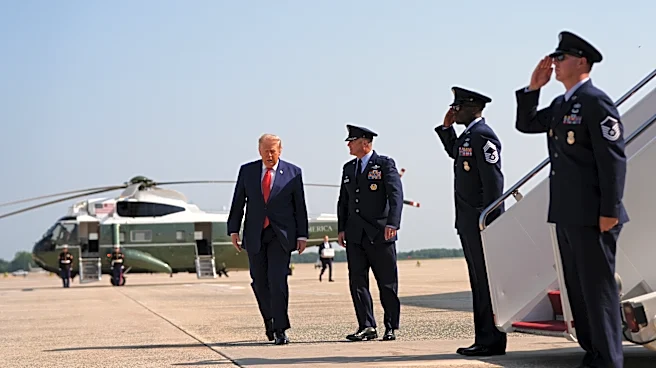
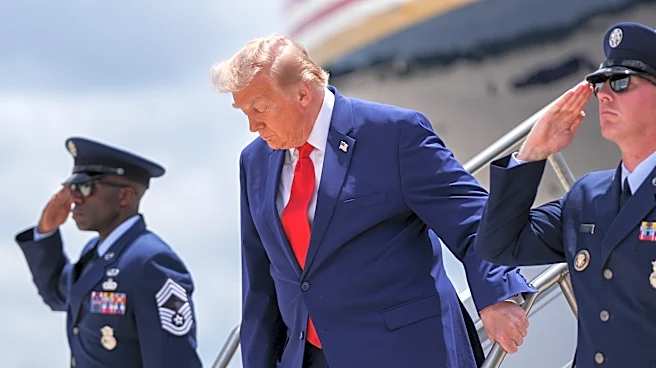
A potential civilian nuclear deal between the United States and Saudi Arabia, reportedly to be announced by the Trump administration, is raising alarms among Israeli officials and some Americans. The deal involves US companies assisting Saudi Arabia in building
civilian nuclear energy plants, which critics fear could enable Saudi Arabia to develop nuclear weapons. This development could undermine efforts to normalize relations between Saudi Arabia and Israel, a process that was disrupted by the Hamas-led attack on Israel in October 2023. The deal is expected to be reviewed by Congress, but it would require a two-thirds majority to be blocked.
Why It's Important?
The proposed US-Saudi nuclear deal has significant geopolitical implications, particularly in the Middle East. It could potentially lead to a nuclear arms race in the region, with Iran possibly accelerating its nuclear ambitions in response. This development could destabilize the already volatile region and complicate US foreign policy objectives, including the normalization of relations between Israel and Saudi Arabia. The deal also raises concerns about nuclear proliferation and the potential for nuclear technology to be used for military purposes. The lack of stringent oversight and monitoring in the proposed deal further exacerbates these concerns.
What's Next?
The Trump administration is expected to move forward with the civilian nuclear program, and the deal will be submitted to Congress for review. Israeli officials, including Prime Minister Benjamin Netanyahu, are likely to engage in discussions with US counterparts to address their concerns and establish red lines. The outcome of these discussions could influence the final terms of the deal and its implementation. Additionally, the broader implications for US-Saudi relations and the potential impact on the Abraham Accords will be closely monitored by international stakeholders.