





What's Happening?
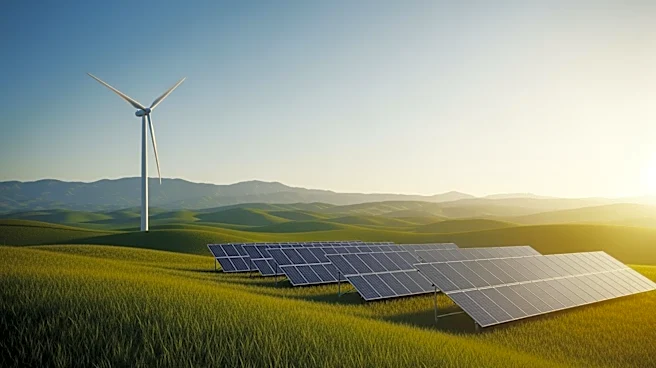
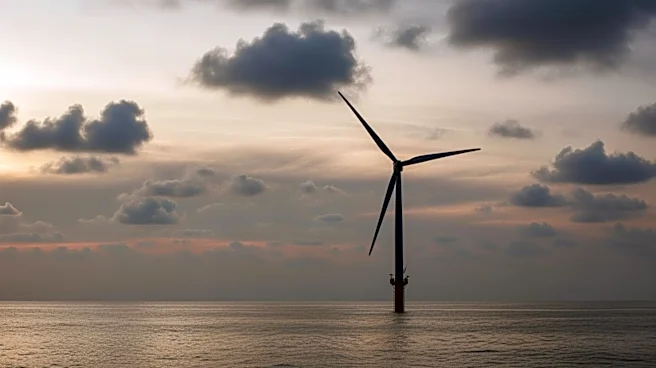
President Donald Trump has taken steps to halt offshore wind projects in the United States, a move that comes as the industry was on the brink of significant expansion. Offshore wind energy is seen as a potential source of large amounts of clean energy along
U.S. coastlines. Currently, there are three operational offshore wind farms in the U.S., with three more in the final stages of construction or testing. Despite this progress, the Trump administration has begun buying back federal offshore wind leases and compensating energy companies to abandon their projects. This decision contrasts with global trends, as many countries are increasingly investing in offshore wind to meet clean energy demands. China, for instance, leads the world in offshore wind capacity, followed by the U.K. and Germany.
Why It's Important?
The halt on offshore wind projects by the Trump administration could have significant implications for the U.S. energy landscape. Offshore wind is a critical component of the transition to renewable energy, offering a clean alternative to fossil fuels. The decision to stop these projects may slow down the U.S.'s ability to meet clean energy goals and reduce carbon emissions. Additionally, the move could impact economic growth, as the offshore wind industry supports approximately 18,000 jobs in the U.S. and has attracted $25.5 billion in investments. The halt could also affect energy prices, as projects like Vineyard Wind have been projected to save consumers billions in electricity costs over the coming decades.
What's Next?
The decision to halt offshore wind projects has led to legal challenges from developers and states. Federal judges have allowed construction to resume on some projects, indicating that the government did not demonstrate an imminent national security risk. The outcome of these legal battles will be crucial in determining the future of offshore wind in the U.S. If the projects proceed, they could contribute significantly to the country's clean energy supply and economic growth. However, continued opposition from the administration could lead to further delays and uncertainty in the industry.