
What's Happening?
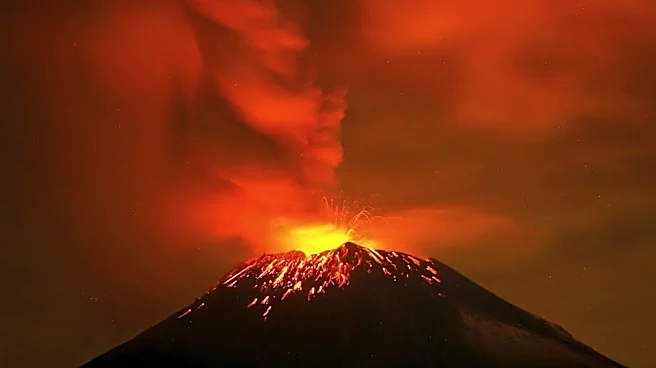
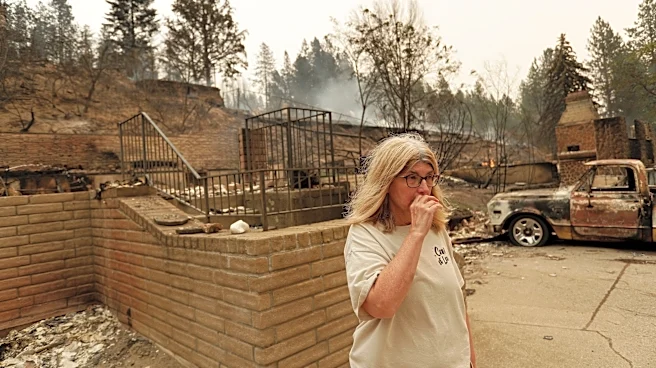
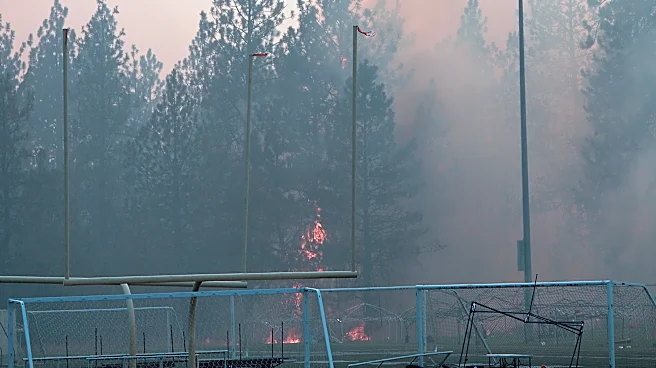
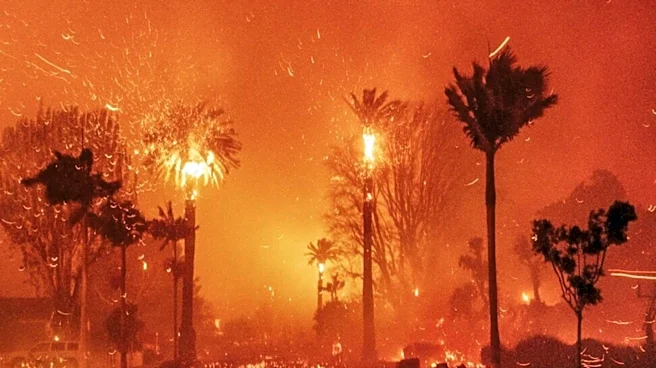
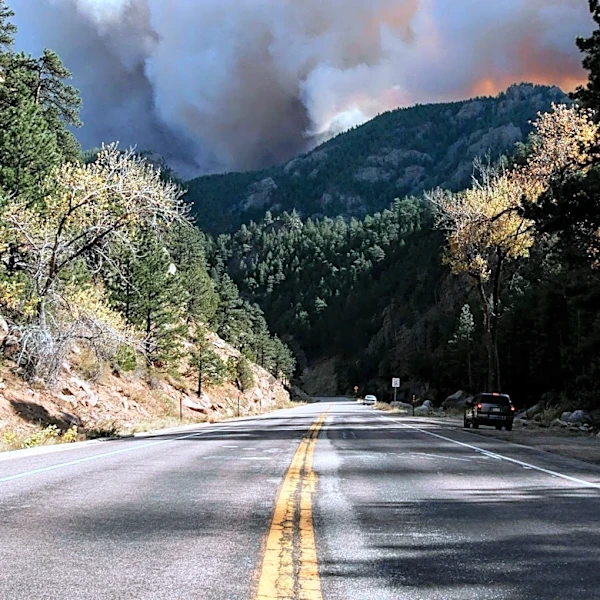
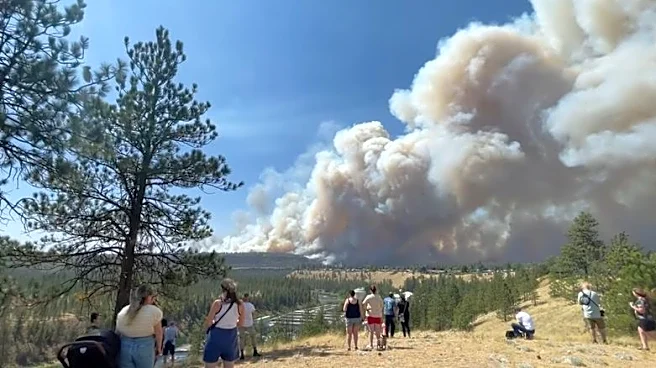
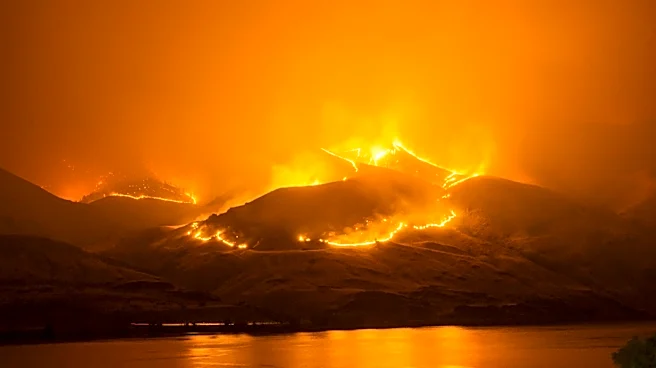
Wildfires in Spokane, Washington have led to the evacuation of 60,000 residents and the destruction of at least 600 structures, including homes and businesses. The fires, which have burned approximately 12 square miles, are part of a series of wildfires
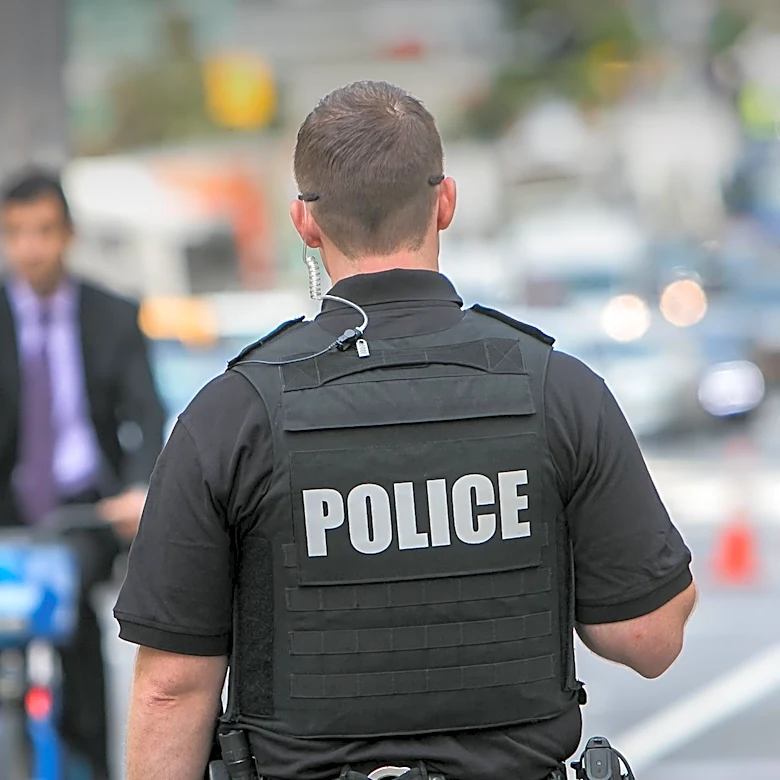
affecting the Western U.S. The National Weather Service has issued air quality warnings and red flag fire warnings for several states. Local authorities have set up shelters for displaced residents, and Spokane Public Schools have opened emergency camps for children. The fires remain uncontained, and the cause is still under investigation.
Why It's Important?
The wildfires in Spokane highlight the increasing frequency and intensity of natural disasters linked to climate change. These events strain local and federal resources, disrupt communities, and pose significant risks to public health and safety. The economic impact is substantial, with the loss of homes and businesses and the cost of firefighting efforts. The situation underscores the need for comprehensive disaster preparedness and climate resilience strategies. It also raises awareness about the importance of addressing climate change to mitigate future risks.
What's Next?
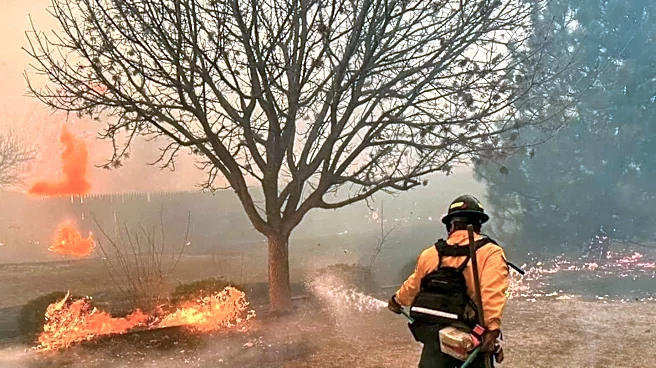
Efforts to contain the fires are ongoing, with firefighters working to prevent further spread. The weather forecast suggests continued dry conditions, which could complicate containment efforts. Authorities are likely to focus on providing support to affected residents and assessing the damage. Long-term, there may be discussions on improving fire management practices and infrastructure resilience. The situation could prompt policy discussions on climate change mitigation and adaptation strategies at both state and national levels.