




What's Happening?
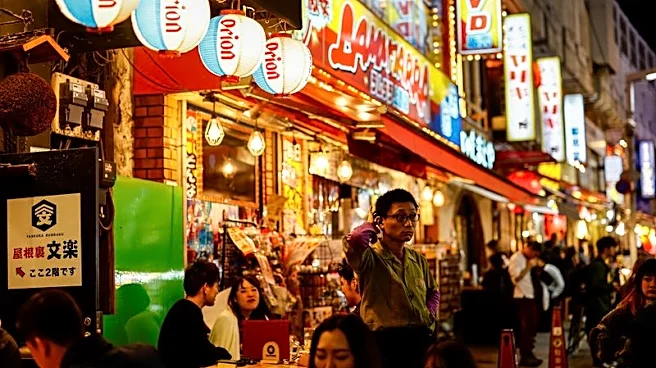
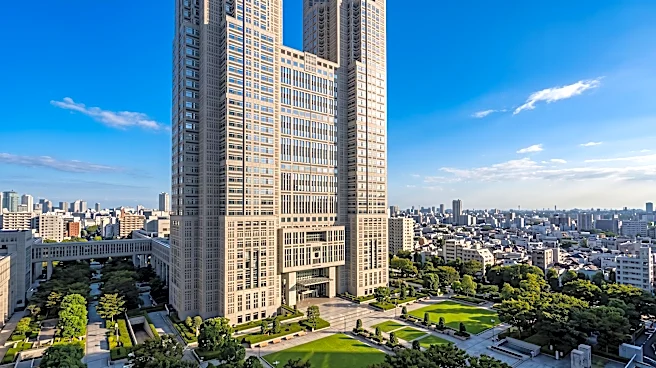
Tokyo's Shinjuku ward is set to implement a ban on more than 50% of its holiday rentals, including those listed on platforms like Airbnb. This decision follows a significant increase in complaints from residents regarding tourist behavior. According to an official
supervising holiday rentals, the number of complaints rose by approximately 40% in the fiscal year ending in March. Issues cited include improper trash disposal, smoking in prohibited areas, and trespassing. The new ordinance will revise existing regulations to ban private lodging in residential zones and areas near schools. Shinjuku, known for its bustling commercial and entertainment districts, currently hosts nearly 10% of Japan's 42,000 short-term rentals. The official stated that the plan would be formally announced by the Shinjuku mayor.
Why It's Important?
This move by Shinjuku highlights a growing global concern about overtourism and its impact on local communities. The decision reflects a broader trend seen in cities like New York City and Barcelona, which have also taken steps to regulate short-term rental platforms. For the U.S. tourism industry and travelers, this action in a major international destination like Tokyo could signal a shift in how popular tourist spots manage visitor influx. It underscores the increasing pressure on local governments to balance economic benefits from tourism with the quality of life for residents. The ban could lead to reduced availability and potentially higher costs for short-term accommodations in Shinjuku, affecting U.S. tourists planning visits and potentially influencing the strategies of U.S.-based short-term rental companies operating internationally.
What's Next?
The Shinjuku mayor is expected to formally announce the new ordinance, which will lead to the ban of over half of the ward's short-term rentals. This policy will apply to existing properties, meaning current operators will need to comply with the revised regulations. Other Japanese cities, such as Kyoto, are also considering similar measures, though Kyoto's proposed ban would only apply to new rentals in specific areas. This trend suggests that U.S. travelers and short-term rental platforms may face increasing restrictions and regulations in popular international destinations. The tourism sector globally is being urged to collaborate with governments to promote sustainable tourism practices, which could influence future travel trends and policies affecting U.S. tourists.
Beyond the Headlines
The Shinjuku ban on holiday rentals delves into the complex ethical and social dimensions of modern tourism. While short-term rentals offer economic opportunities for property owners and flexible accommodation options for travelers, they can also disrupt local communities by altering housing markets, increasing noise and waste, and eroding the residential character of neighborhoods. This situation prompts a re-evaluation of the 'democratization of travel' facilitated by platforms like Airbnb and affordable airfares. The challenge lies in finding a sustainable balance that allows for tourism's economic benefits without compromising the well-being of local residents or the environmental integrity of destinations. This could lead to a broader push for 'slow tourism' and ecotourism, encouraging more responsible travel choices among U.S. and international tourists.