









What's Happening?
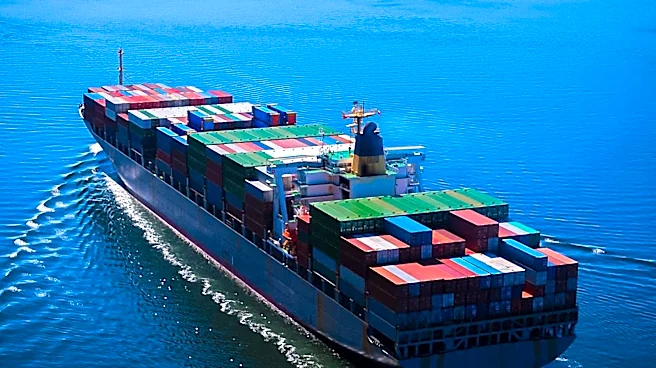
Laura DiBella, the new chairman of the Federal Maritime Commission (FMC), has expressed concerns about China's increased inspections and detentions of Panama-flagged vessels. DiBella described these actions as 'weaponization of port state control inspections'
and indicated that the FMC might investigate the issue. The surge in detentions was initially reported in the spring, with Panama and other stakeholders criticizing China's actions. The detentions are believed to be a response to Panama's Supreme Court voiding a concession with CK Hutchison, a move that led to arbitration claims and consultations with major shipping companies. China has denied targeting Panama-flagged ships, attributing the increase to incidents involving fishing vessels. Despite a recent decline in detentions, many shipowners, particularly Chinese, are re-registering their vessels under different flags.
Why It's Important?
The situation has significant implications for U.S. trade and the global shipping industry. Panama-flagged ships play a crucial role in U.S. trade, and any disruptions could have commercial and strategic consequences. The FMC's potential investigation and remedial measures could impact international shipping regulations and practices. The issue also highlights the geopolitical tensions between China and the U.S., with President Trump previously accusing China of attempting to control the Panama Canal. The ongoing detentions could set a negative precedent for the global supply chain, emphasizing the need for international cooperation and regulatory oversight.
What's Next?
The FMC may proceed with an investigation into China's inspection practices, which could lead to diplomatic discussions or regulatory changes. The outcome could influence future shipping policies and international relations. Stakeholders, including shipping companies and governments, will likely monitor the situation closely, considering potential impacts on trade routes and shipping costs. The re-registration of vessels to other flags may continue, affecting the dynamics of global shipping registries.